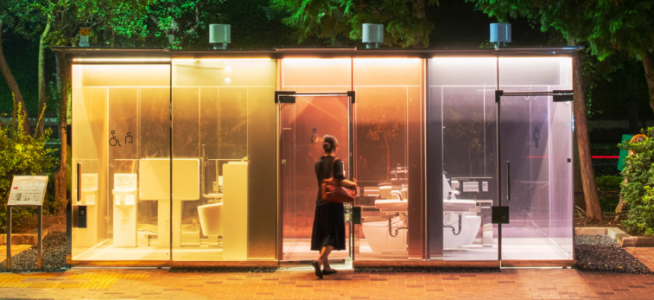
The scene portrayed above is from a Japanese movie, Perfect Days (2023), directed by Wim Wenders. The film portrays the life of a Tokyo toilet cleaner, Hirayama, who finds profound meaning and dignity in his seemingly mundane job. The philosophy of Perfect Days emphasizes finding dignity, meaning, and beauty in tasks, like cleaning toilets, reflecting the profound connection between care for shared spaces and human respect. As essential public services, sanitation and toilets embody this philosophy by upholding public health, equality, and dignity for all. Together, they remind us that even the simplest actions in maintaining hygiene can have transformative societal impacts.
The High Court’s various directives in CWPIL 6 of 2017 and the philosophy of Perfect Days converge on a universal truth: dignity resides in the care we show for our shared spaces and responsibilities. Just as Hirayama’s work elevates public toilets to sanctuaries of care, the court’s insistence on accountability and sustainable practices transforms sanitation into a symbol of collective respect and progress.
The court issued stringent directives to improve public sanitation facilities across the State. The Bench, comprising Acting Chief Justice Tarlok Singh Chauhan and Justice Satyen Vaidya, has focused on ensuring accountability in the state’s operation and maintenance (O&M) of public toilets, both within urban and rural areas.
Despite substantial financial allocations under the 15th Finance Commission, the state faces recurring challenges in maintaining sanitation infrastructure. Poorly maintained community sanitary complexes (CSCs) and public toilets have led to hygiene concerns, disproportionately affecting women, children, and marginalized communities. Recognizing these issues, the court, while hearing CWPIL No. 6 of 2017, initiated steps to ensure accountability and sustainable solutions.
The Amicus Curie, Advocate Deven Khanna assisted the court and reported the unspent amount of 526 Cr sanctioned under the 15th Finance Commission lying unspent. The amount is to be used for sanitation purposes only. Further, he reported the condition of toilets that were not maintained properly.
Key Directives of 12.12.2024 Order
To address these concerns, the court issued the following detailed directions:
- Completion of Shimla Smart City Toilets:
- A new four-story facility with public toilets under the Shimla Smart City Mission is 90-95% complete.
- The court instructed authorities to expedite the remaining water and sewerage connections and inaugurate the facility within four weeks.
- Mapping Public Toilets for Accessibility:
- In compliance to the earlier orders, authorities reported that 3,000 plus, public toilets statewide are now accessible via Google Maps. This step aims to aid both residents and tourists in locating these facilities easily.
- Immediate Repairs and Sanitation Facilities:
- Highlighting complaints from the Amicus Curiae, the court directed immediate replacement of damaged taps and fixtures and mandated the availability of sanitary pads in women’s toilets.
- Strict Compliance with SOPs for CSCs:
- Block Development Officers (BDOs) were tasked to:
- Randomly inspect CSCs within their blocks.
- Ensure functionality and maintenance of facilities.
- Initiate action against non-compliant Panchayat officials and representatives.
- The court ordered the Mission Director (SBM-G)-cum-Director Rural Development Department to submit a personal affidavit detailing the implementation of these SOPs, along with inspection reports from all BDOs.
- Block Development Officers (BDOs) were tasked to:
- Utilization of Rs. 536 Crore for Sanitation:
- With Rs. 536 crore allocated under the 15th Finance Commission, the state must file an affidavit on the proposed utilization of these funds for sanitation development.
- Incorporation of Renewable Energy:
- Questioning the Municipal Corporation, Shimla, the court demanded an explanation for the absence of solar panels in public toilets, especially given the subsidies offered by HIMURJA and the Central Government.
Impact on Local Communities
Anecdotal evidence highlights the critical need for these interventions:
- Women in rural areas have reported avoiding public toilets due to unhygienic conditions, increasing health risks.
- Tourists have expressed dissatisfaction with inadequate sanitation facilities, affecting the state’s reputation as a premier destination.
- Poor maintenance and lack of basic amenities in existing toilets often force residents to seek alternative, unhygienic solutions, exacerbating public health risks.
“Sanitation is not merely about infrastructure but a matter of dignity, health, and public trust. Accountability must be ensured at every administrative level.”
Acting Chief Justice Tarlok Singh Chauhan in CWPIL 06 of 2017:
Implications of the Directives
The court’s firm stance underscores the urgent need for accountability and sustainable sanitation practices:
- Enhanced Monitoring: The requirement for BDO inspections and reports ensures consistent oversight.
- Transparency in Funding: The focus on the utilization of Rs. 536 crore reflects the court’s intent to monitor financial accountability.
- Long-term Benefits: Improved sanitation will have a lasting impact on public health, particularly for women and vulnerable communities, while boosting tourism and state development.
The High Court’s directives represent a pivotal step toward addressing sanitation woes in Himachal Pradesh. By enforcing accountability, promoting transparency, and leveraging modern solutions like renewable energy, the court aims to create a sustainable framework for public sanitation. As the state government prepares to respond by the next hearing on January 9, 2025, these measures promise not just immediate relief but a roadmap for long-term improvement.
With this decisive judicial intervention, Himachal Pradesh could set a benchmark for public sanitation practices, transforming challenges into opportunities for progress.
Earlier Order of the Court on 28th May 2024
On May 28, 2024, the Himachal Pradesh High Court issued several important directions to address sanitation issues and ensure accountability for public toilets in Shimla. These include:
1. Comprehensive Compliance Reports:
- Municipal Corporation, Shimla, Shimla Jal Prabandhan Nigam Limited (SJPNL), and HRTC:
- Submit complete compliance reports regarding sanitation and toilet facilities, addressing gaps identified by the Amicus Curiae, by the next date of hearing.
- Provide a status update on all 131 toilets under the jurisdiction of the Municipal Corporation, including a detailed report on the 37 inspected facilities.
2. Immediate Repairs and Renovations:
- Ensure immediate renovation of dilapidated toilets, particularly those with no sewage connections or broken infrastructure (e.g., facilities at US Club, Sanjauli Market, and Lower Bazaar).
- Repair issues related to water supply, broken toilet seats, and other structural damages across multiple locations.
3. Geotagging of Toilets:
- The Department of Science and Technology was directed to geotag all municipal toilets within Shimla, in collaboration with the Municipal Corporation, and report compliance by the next hearing.
4. Accountability Measures:
- Municipal officials and Sulabh International were instructed to improve maintenance and cleanliness protocols, ensuring functionality and hygiene standards.
- Grievance mechanisms to address public complaints about non-functional or unsanitary toilets were to be established.
5. Compliance with Previous Orders:
- The court required a compliance report regarding earlier directions issued on May 3, 2024, specifically addressing gaps in implementing sanitation policies and practices.
Submissions by the Amicus Curiae
The Amicus Curiae, Deven Khanna, presented critical observations and suggestions based on inspections conducted in 2024. These include:
1. Observations on Current Conditions:
- Improvements:
- Enhanced cleaning frequency (two to three times daily) and appointment of attendants at most facilities.
- Female attendants were present in women’s toilets, addressing earlier complaints of male attendants inappropriately managing these spaces.
- Sanitary pads and soap dispensers were now available in high-priority areas such as Mall Road and bus terminals.
- Gaps:
- Persistent issues with water supply, sewage connections, and structural damages in several high-priority locations (e.g., Sanjauli Market, US Club, and Lakkar Bazaar).
- Toilets lacked proper signage, making them difficult to locate.
- Certain facilities were found to be in a state of disrepair, with broken tiles, doors, and toilet seats, and emitted foul odors due to poor waste management.
2. Recommendations on Infrastructure:
- Ensure sufficient supply of water, electricity, and proper ventilation in all facilities.
- Install accessible features such as ramps for differently-abled individuals and standalone units for women to ensure privacy and safety.
- Focus on eco-friendly options like solar-powered lighting and bio-digesters in new and existing facilities.
3. Suggestions for Maintenance and Accountability:
- Systematic cleaning and maintenance schedules, supported by adequate funding for sanitation infrastructure.
- Clear assignment of responsibilities to municipal bodies and private contractors, with penalties for non-compliance.
- Installation of checklists at all toilet sites to track cleaning frequency and maintenance status.
4. Behavioral and Awareness Campaigns:
- Launch public awareness initiatives, including street plays and educational campaigns, to encourage the use of public toilets and improve hygiene habits.
- Partner with civil society organizations and high-impact individuals to create effective messaging around sanitation.
5. Special Focus on Women’s Needs:
- Improve accessibility and safety of women’s toilets, particularly in public spaces.
- Provide facilities for safe disposal of sanitary napkins and enforce strict penalties against misconduct by male attendants near women’s toilets.
6. Summary of Inspection Results:
- Of the 37 inspected toilets:
- Some, like those at Tutikandi and Vidhan Sabha, were found to be well-maintained and fully functional.
- Others, such as those at ISBT, Sanjauli Market, and Lower Bazaar, required urgent attention due to severe structural and hygiene issues.
- Several toilets lacked proper sewage connections, leading to waste accumulation and foul odors.
Report of amicus curie regarding Gender Discrimination in Toilet Use
The charges are levied on Ladies in nature of ‘entry fee’ for the use of the public toilet facilities. It was observed that Males were not asked to pay for the use of the toilets (urination) but females are being charged for the same use of the facility.
Question of Law
- Whether entry fee ‘disadvantage’ members of a class by virtue of their belonging to that class?
- Whether the fact that it affects women, and women alone, brings it within the ambit of Article 15(1)?
Submissions on fact
It is humbly submitted that the spirit of this suo-moto litigation by this Hon’ble has been to place the concerns of women and children with respect to right of sanitation at priority and look at their issues with utmost sensitivity.
In light of this, it is submitted that entry fee which is being collected from women for entering the public toilets should be lifted, as their is no such charge on the entry on men for the same use of the facility.
It is stated that the reason for this discrimination is that the use of the facility by women requires additional cost as they are biologically different and they use the facility not in the same manner as men.
However it is pointed out that this perspective is insensitive and also violative of the constitution. The situation should be looked from the user’s perspective and not from the perspective of the service provider, the end use for both male and females here being empting their urinary bladders for urination. Even if a woman has to enter to wash her hands she has to pay as this is a charge on entry, males do not have to pay.It should be kept in mind that women who are with babies and might have to use the washroom several times will be put at disadvantage and would be discouraged with such penal barriers.
We should also be sensitive to the fact that most of the state has poor village people which include old ladies and young women who might not be having or carrying money with them all the time, they specifically suffer a disadvantage, put in difficulty , and are discouraged from use of the public toilet facility because of this barrier.
It is submitted that when the idea here is to encourage the use of toilets to fight open defecation such discriminatory disadvantages should be removed.
Grounds
- The point of discrimination law is not to capture every instance of dissimilar treatment on the “grounds” set out under Article 15(1), but to remedy disadvantage.
it has been shown that the use of toilets is crucial to women’s health and safety, as well as their participation in accessing the facility and availing their right to sanitation without any disadvantage. Placing a monetary premium on sanitary pads, therefore, is discriminatory because it disadvantages women, on grounds of their sex, in a non-trivial way.- It is now firmly established, through more than six decades of constitutional jurisprudence (and indeed, pre-constitutional jurisprudence), that the correct test to be used in determining the constitutionality of a law is not its object or form, but its effect upon rights. This was the holding of the Constitution Bench of the Supreme Court in (Khandige Sham Bhat vs Agricultural Officer, in Prem Chand Garg vs Excise Commissioner, and – specific to Article 15(1) – in Anuj Garg vs Hotel Association.)
- In Bennett Coleman vs Union of India, the Court emphasises that in adjudicating a fundamental rights challenge, it would not look for the “object or purpose” of the law, but at its “effect”. Under an Article 15(1) enquiry, the effect test would focus upon the impact that a law has on protected groups, rather than the intent of the lawmakers.
- In Nargesh Mirza, it was held that penalising pregnancy amounted to sex discrimination, notwithstanding the fact that men could not, by definition, get pregnant. Here, the State is penalising the use of toilets, notwithstanding the fact that men do not, by definition, use the facility in the same manner.
Secondly, Discrimination law now sees as its focus the redressal of structural and institutional conditions that have been historically responsible for subordination on the basis of certain personal characteristics, such as race, religion, gender, etc. Placing a monetary premium upon use of toilets only for women fits within this particular understanding of discrimination.
- Article 15(1) is attracted because discriminatory treatment, in this case, causes substantive disadvantage to women on grounds of their sex. This makes the initial, presumptive applicability of Article 15(1) absolute
- Article 15(1) imposes not only a mandate on the State to not perform an act which would discriminate on grounds of sex, but also a positive obligation on the State to perform an act which would remove such existent discriminations.
- The wordings of the Article say that the State shall not discriminate against anyone based only on religion. Therefore, it must be an act of the State which puts the women at a disadvantage. This act is the entry fee of the pads. Also, this act is based only on grounds of sex. Meaning, it could only be imposed when the parties in concern are women.
- Under Article 15(1) there’s a positive obligation on the State to end discrimination and do positive acts to make disadvantaged parties at par with the other ones. Not taking any action to remedy historical and natural discrimination and disadvantage is discrimination in itself and hence violative of Article 15(1).
- It adversely affects their dignity, their freedom, their physical and mental health, their confidence, their self-esteem, their participation in education and in the work force, their ability to travel and move freely, their ability to participate in physical activity, etc.
I would end by stating words of an eminent jurist:
Tarunabh Khaitan’s a well respected jurist in his book A Theory of Discrimination Law (OUP 2015), pp. 162 – 165: states “the argument in favour of liability for unconscious discrimination truly is an argument for moving our conception of discrimination away from the paradigm of individual human action and more toward a conception that defines it as something like the expression of our persistent structures of inequality”
Key Directions Issued by the Court (March 27, 2024, Order)
- Stakeholder Meeting on Wayside Amenities:
- The Advocate General was directed to convene a meeting of stakeholders to address the construction of wayside amenities at 52 identified sites through the Ministry of Road Transport and Highways (MoRTH).
- Implementation of Fundamental Rights:
- Reinforced that the right to sanitation is essential for the right to life under Article 21 of the Constitution.
- Highlighted Article 47, which mandates the state to improve public health and provide clean, hygienic toilets.
- Women-Centric Sanitation Facilities:
- Directed emphasis on constructing women-friendly toilets at public places like bus stands, municipal offices, and shopping complexes.
- Stressed the need to address health risks arising from inadequate facilities for women, such as urinary tract infections and bladder issues.
- Incorporation of Bombay High Court Guidelines:
- Adopted and adapted comprehensive sanitation guidelines from the Bombay High Court’s ruling in Milun Suryajani v. Pune Municipal Commissioner (2016), including:
- Facilities: Continuous water and electricity supply, sanitation attendants, soap dispensers, sanitary napkin dispensers, and proper signage.
- Design: Adequate lighting, ventilation, separate entrances for men and women, and disabled-friendly infrastructure.
- Security: Deployment of trained female security personnel at women’s toilets.
- Maintenance: Cleaning schedules based on footfall, hourly monitoring checklists, and odor prevention.
- Adopted and adapted comprehensive sanitation guidelines from the Bombay High Court’s ruling in Milun Suryajani v. Pune Municipal Commissioner (2016), including:
- Responsibilities for Sulabh International:
- Ensure periodic cleaning of all toilets with visible hourly checklists for urinals, basins, floors, and mirrors.
- Translate signage indicating “free use of toilets and urinals” into Hindi within two weeks.
- Address deficiencies in cleaning and maintenance of toilets under their responsibility.
- Attendance Mechanism for Safai Karamcharis:
- Municipal Corporation, Shimla, was directed to implement biometric attendance for sanitation workers to ensure accountability.
- Affidavits and Compliance Reporting:
- Fresh affidavits to be filed by:
- Chief Secretary of Himachal Pradesh.
- Sulabh International, detailing measures for repairs and upgrades.
- Municipal Corporation, Shimla, to submit compliance on introducing biometric attendance systems.
- Fresh affidavits to be filed by:
- Public Awareness and Grievance Mechanisms:
- Directed the display of toll-free complaint numbers at all public toilets.
- Proposed grievance mechanisms, including reporting via websites, text messages, and dedicated helplines.
Submissions by the Amicus Curiae
- Legal and Constitutional Context:
- Highlighted sanitation as an essential component of Article 21 (right to life) and Article 47 (Directive Principles of State Policy).
- Referenced medical studies underlining the health risks for women due to inadequate sanitation facilities.
- Recommendations for Sanitation Infrastructure:
- Suggested mandatory facilities, including clean water supply, sanitary napkin disposal bins, adequate lighting, and signage for easy toilet identification.
- Advocated for sustainable practices like the use of solar panels to reduce operational costs.
- Focus on Women’s Safety and Hygiene:
- Emphasized the need for private, accessible, and safe women-specific toilets, with female staff and security personnel.
- Called for enhanced hygiene measures, including regular cleaning and the availability of soap and sanitary products.
- Accountability and Monitoring:
- Recommended systematic cleaning schedules, hourly monitoring with checklists, and grievance mechanisms to address complaints efficiently.
- Suggested penalties for non-compliance by sanitation authorities.
- Public-Private Partnership Models:
- Proposed involving private entities and corporate social responsibility (CSR) funds for constructing and maintaining public toilets.
Conclusion
The Court’s directives on improving sanitation infrastructure echo the profound philosophy of Perfect Days by Wim Wenders. Just as Hirayama, the Tokyo toilet cleaner, finds dignity and meaning in his meticulous care for public spaces, the court’s insistence on accountability and sustainability highlights the transformative power of small but significant actions in public sanitation. Both the movie and the court’s intervention remind us that toilets are not just functional spaces but reflections of respect, equity, and shared responsibility. By addressing systemic flaws and prioritizing accessibility, the court’s orders have the potential to restore dignity, improve public health, and create a lasting impact, turning even the simplest spaces into symbols of progress and humanity.

 LawUmbrella
One thought on “High Court seeks Rigorous Compliance of sanitation issues: Respect for shared spaces and lessons from Japan”