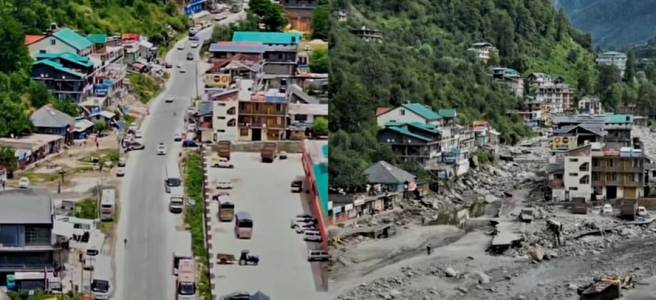
The situation calls for attention in the aftermath of continuous heavy rains and landslides that have resulted in the loss of more than 300 lives during the monsoon season in Himachal Pradesh. The persistent downpours have led to rising groundwater levels, causing the soil beneath human settlements to become saturated and prone to mudslides. Experts have expressed concerns that this could potentially trigger more landslides.
According to official data from the state government, Himachal Pradesh has witnessed 180 landslides and flash floods. The significant increase in rainfall, recorded at 157 percent above the average, stands as the primary driver behind these calamities. The Himalayan terrain, characterized by its soil composition and vegetation, has struggled to absorb excessive rainfall, leading to heightened instances of landslides and soil erosion.
The crisis stems from the following primary causes:
- Improper cutting of slopes and haphazard disposal of debris into the Beas and Sutlej rivers during road expansion projects has contributed to the issue.
- Lack of proper drainage systems due to unauthorized construction and the improper disposal of construction materials in neighboring areas, which is a widespread occurrence across the state, has led to the weakening of areas where such debris is discarded.
- Structures that lack authorization and obstruct streams or watercourses are also accountable for altering the natural flow of water and diminishing the stability of the surrounding regions.
- The repercussions of blasting activities carried out during the construction of hydropower and mining projects in the vicinity cannot be disregarded. These activities undermine significant tracts of land and necessitate immediate attention.
These activities have caused water levels to rise and riverbanks to flood. Additionally, unregulated construction activities in urban centers like Shimla, Dharamshala, Manali, and Mandi have violated construction regulations, resulting in building collapses and landslides. These activities have notably weakened the geological stability of the region.
Balancing Immediate Action with Sustainable Solutions
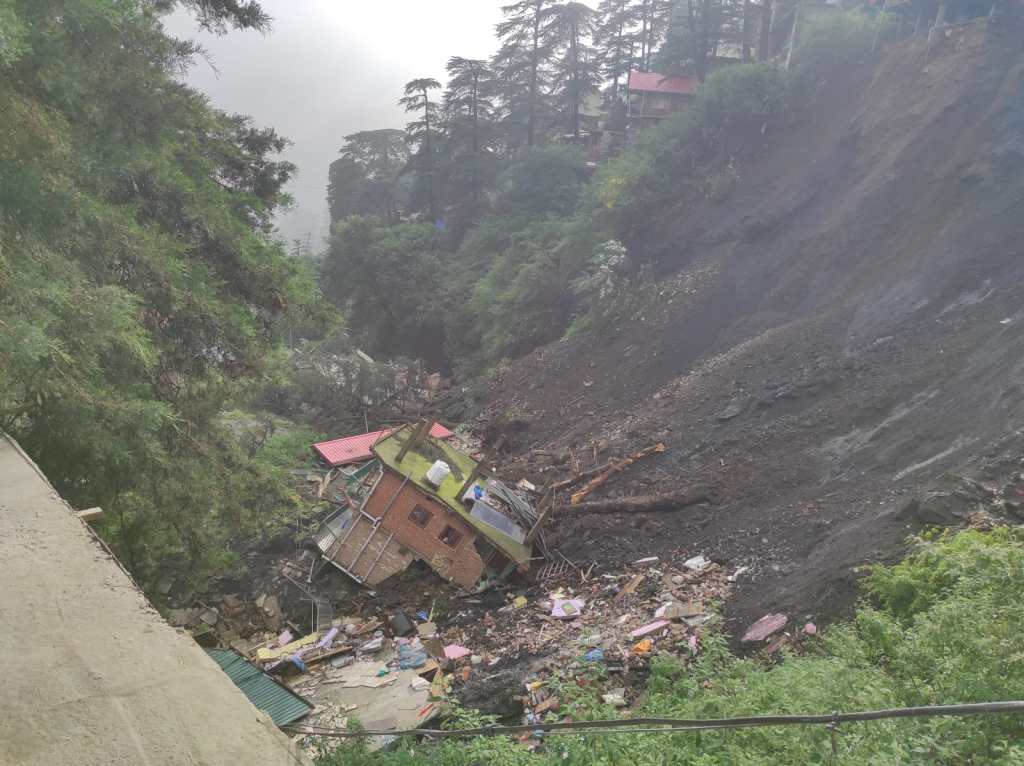
Himachal Pradesh’s environmental challenges require a multifaceted approach that balances development with preservation, considers individual rights and economic impacts, and leverages expert opinions and scientific studies. A sustainable future can only be achieved through careful deliberation, collaboration, and holistic planning.
Here is a list of recommendations:
- FIXING ACCOUNTABILITY
The imperative to hold individuals accountable in the current context cannot be overstated. To achieve meaningful progress in environmental protection and compliance with legal frameworks, it is crucial to ascertain responsibility among contractors, engineers, and officers of relevant authorities such as NHAI, MC, TCP, PWD, and HPPCB, who have sanctioned and overseen the construction of various structures.
Without fixing accountability for their actions, even the most robust theories of environmental impact assessment (EIA) and regulatory statutes are rendered ineffective when translated to real-world situations. The incidents of improper slope cutting, wanton dumping of debris into vital water bodies like the Beas and Sutlej rivers, inadequate drainage systems stemming from unauthorized construction, and the reckless disposal of construction materials all demonstrate a lapse in oversight and implementation.
Assigning responsibility to these officials and professionals creates a strong incentive for conscientious decision-making and thorough project evaluation. Holding them accountable ensures their actions’ outcomes align with environmental safeguards, legal provisions, and ethical considerations. Furthermore, it sends a clear message that negligence or complacency will not be tolerated and that every decision-maker is answerable for contributing to environmental degradation.
The adverse consequences of unapproved structures obstructing watercourses and altering natural drainage patterns, coupled with the detrimental effects of blasting during hydropower and mining projects, indicate systemic failures that demand immediate redressal. By pinpointing the officers responsible for these actions, we pave the way for a culture of vigilance, compliance, and proactive prevention. This accountability mechanism goes beyond retribution; it serves as a preventative measure to thwart future environmental harm.
The accountability of officers and professionals involved in decision-making and oversight is a linchpin in pursuing sustainable development and environmental protection. The urgency of addressing these issues is manifest, and the responsibility of these individuals to rectify their past mistakes and ensure a more secure environmental future is both a moral and legal obligation.
- Thorough Environmental Assessment
It’s essential to conduct comprehensive environmental impact assessments. Engage geology, urban planning, and environmental science experts to evaluate the true scope of risks and benefits associated with existing plans and proposed bans. This would ensure that decisions are rooted in scientific analysis rather than emotions.
- Public Participation and Rights
While advocating for a more sustainable future, upholding individual rights and including public participation in decision-making is vital. Policies that affect livelihoods and the economy need to strike a balance between environmental preservation and the well-being of the people. Encourage open dialogues involving stakeholders to find solutions that meet both environmental and societal needs.
- Payment of gratuitous relief for the damage to the houses. cow-sheds etc
The people expect relief to be provided immediately after the calamity. In fact, the very purpose of providing relief is defeated if it is given after a lapse of time.
Relief is required to be provided to the sufferers of natural calamities to tide over the difficult period immediately following the occurrence of the calamity, although it is not compensation for the loss sustained by the victim. Whenever a calamity takes place, it becomes very difficult for the authorities to distinguish who has been rendered indigent and in whose case the grant of relief is justified. If the authorities start going into the minute details to ascertain the financial position, etc., of each affected person, it may take a very long time to decide on the grant of relief, and thus the very purpose of granting immediate relief will be defeated. Secondly, the affected persons may have many other resources, but at a particular point in time, i.e., immediately after the occurrence of the calamity, they may become deserving persons entitled to help from the government. Therefore, all the affected persons should be given relief irrespective of their status, unless the victim himself does not require it or has sufficient arrangements to cope with the calamity.
- Targeted Regulations
Focus on strengthening regulations and oversight. Implement strict building codes and guidelines to ensure safe, sustainable, and environmentally responsible construction. This approach would allow for continued development while minimizing negative impacts.
- Sustainable Tourism Management
Tourism significantly contributes to the state’s economy but should be managed sustainably. Instead of halting new tourism-related infrastructure, develop and enforce guidelines for sustainable tourism practices. Promote eco-friendly accommodations, responsible tourism behaviors, and eco-tourism initiatives that benefit local communities and protect the environment.
- Integrated Planning and Regulation
Consider the creation of a specialized regulatory authority to oversee development in ecologically sensitive areas. This authority could collaborate with various departments to ensure coordinated planning, sustainable development, and effective enforcement of regulations. Such an approach would address administrative challenges while safeguarding the environment.
- Investment in Research and Expertise
Invest in long-term solutions by establishing research institutions dedicated to environmental conservation and sustainable development. These institutions could provide evidence-based recommendations for policies, development plans, and infrastructure projects. This way, decisions are grounded in thorough research and expert insights.
- Encourage Innovation
Support research and development of eco-friendly construction methods, renewable energy solutions, and sustainable agriculture practices. This approach would foster economic growth while minimizing environmental impact.
- Stricter enforcement of building codes, ensuring proper construction practices, and implementing sustainable construction techniques.
This can promote responsible growth while safeguarding the environment.
- Restricting Tourism Infrastructure Expansion:
Tourism is a significant economic driver, and outright bans might harm both the local economy and people’s livelihoods. A more viable solution would involve controlled tourism growth, including assessing carrying capacities, developing sustainable tourism infrastructure, and promoting eco-friendly practices to minimize the environmental impact.
- Highway Construction:
Involve careful route selection, environmental impact assessments, and adopting engineering solutions that minimize ecological disruption, such as constructing tunnels or elevated roads.
- Decongestion:
Implementing urban planning strategies focusing on efficient land use, transportation alternatives, and satellite townships. Collaborative efforts with urban planning experts can strike a balance between population growth and environmental preservation.
- Fixing the responsibility of the Development Authority (NHAI, PWD, TCP, MC):
Filing court cases for individual injuries due to development activities. Getting compensation and rehabilitation.
- Tree Conservation and River Management:
Strict regulations and afforestation programs to ensure sustainable logging practices. Similarly, river management should involve a combination of measures such as watershed protection, afforestation of riverbanks, and controlled sand mining to prevent erosion while allowing for local development.
- Mining:
A balanced approach would involve rigorous environmental impact assessments and selective approvals based on scientific, geological, and ecological sensitivities. Implementing advanced technologies and best practices can mitigate negative impacts.
- Community Participation and Education:
A crucial aspect of sustainable development is engaging local communities and raising awareness about responsible practices. Initiatives such as community-based resource management, environmental education programs, and incentivizing eco-friendly practices can foster a sense of ownership and promote long-term environmental stewardship.
- Government Accountability and Expert Involvement:
Court-monitored studies and transparent decision-making processes can provide a robust foundation for policy formulation.
PART 2: Dams
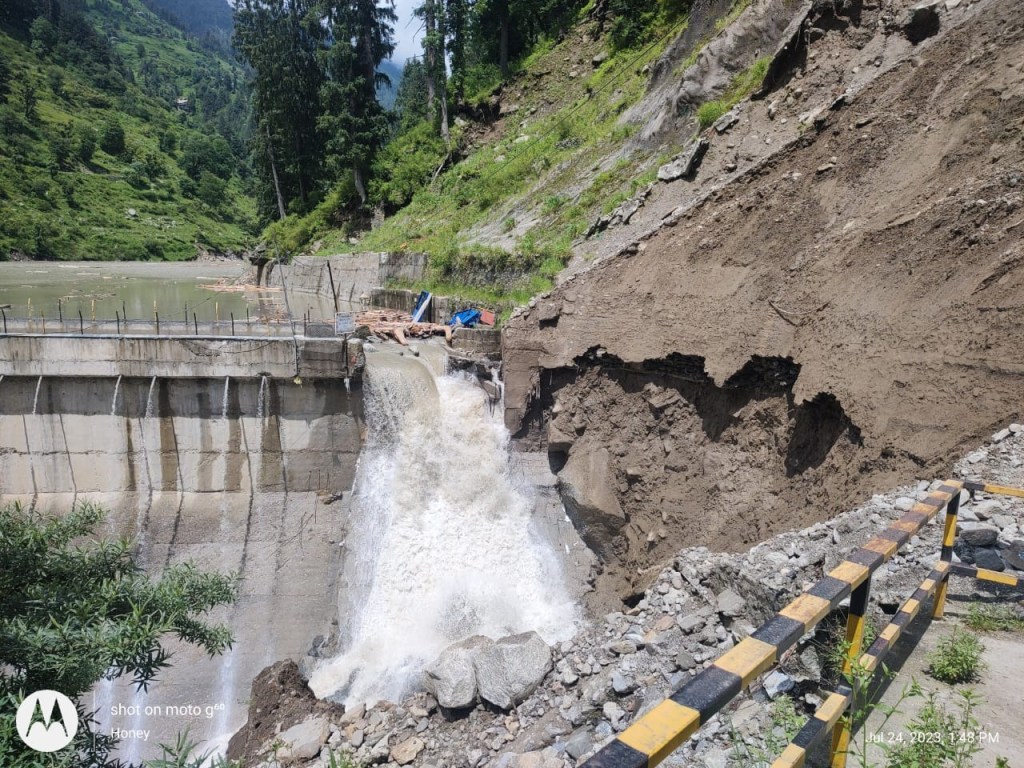
Environmental organizations, social advocates, and communities that have been impacted have highlighted instances of seepages, leakages, pipe bursts, landslides, slope failures, and property damage resulting from reckless and unregulated construction activities. These incidents have taken place in a region that is both geologically and ecologically delicate.
Beyond the evident lack of consideration for local conditions, particularly in the planning stages of hydroelectric project construction, there is a notable concern regarding the failure of project proponents, regulatory bodies, and government authorities to ensure compliance with environmental and safety standards throughout the construction process.
- Issues Stemming from Neglect in Post-Construction Operations and the Absence of a Functional State-Level Dam Safety Cell: There has been a severe lack of attention given to the operations that follow the completion of construction projects. Additionally, the state-level Dam Safety Cell has not been effectively operational.
- Lack of Dam Safety Cells within Independent Project Proponents: Project proponents working independently have not established Dam Safety Cells, further contributing to the safety gaps.
- Neglect in Planning and Impact Assessment: Insufficient emphasis has been placed on meticulous planning and thorough impact assessments, resulting in inadequately prepared projects.
- Absence of an Effective Grievance Redressal Mechanism/Authority: A significant void exists in the form of a grievance redressal mechanism or authority, hindering the proper resolution of concerns and issues.
- The Necessity for Formulating and Implementing a Himalayan Development Policy Based on Sustainable Resource Utilization: There is a pressing need to craft and enforce a Himalayan Development Policy that centers on the sustainable utilization of natural resources. This policy should prioritize livelihood creation and ecosystem services, rejecting exploitative resource practices. The components of a mountain-specific development model/approach encompass the following:
- Geo-Specific and Fragility-Conscious Development: Development initiatives must account for mountainous regions’ unique geographic attributes and fragility.
- Imposing Bans on Destructive Activities: Activities with destructive resource implications, such as the cement industry, unscientific stream mining, mega hydropower and dams, and excessive tourism, must be strictly prohibited.
- Facilitating Democratic Decision-Making: Activating local self-governance institutions, such as Up-gram sabhas mandated by the Himachal Pradesh Panchayati Raj Act, will promote democratic decision-making.
- Promoting Sustainable Construction Technology: Encouraging locally sourced renewable materials and fire-resistant construction methods.
- Exploring Non-Destructive Alternatives: Consider non-destructive alternatives to conventional practices, such as prioritizing ropeways over roads and implementing cut-and-fill techniques for road construction when necessary.
- Fostering Alternative Livelihoods: Enabling the generation of alternative livelihoods and job opportunities based on the region’s resource strengths, including off-season vegetable cultivation, horticulture, and sustainable rural tourism.
- Establishing Mixed Species Forests: Creating mixed-species forests near villages that serve as vital resources for sustenance, including food, fodder, and fuelwood. This may involve transforming existing monocultures into mixed forests, particularly in the sub-tropical belt.
PART 3: Four Lane
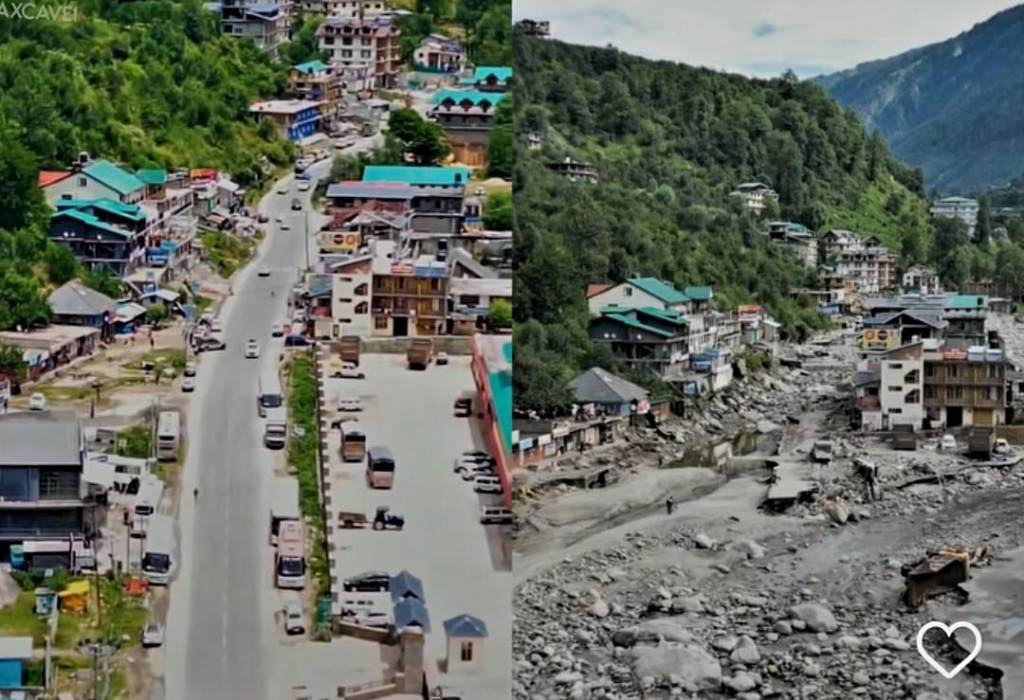
A comprehensive approach that integrates expert opinions, stakeholder consultations, thorough research, and transparent decision-making is crucial to effectively tackle the pressing challenges. The substantial volume of debris carried in floodwaters, primarily resulting from construction activities, has only exacerbated the devastating impact of this year’s events. Road construction has contributed to increased landslides, traffic delays, and threats to commuters, while illegal encroachments along riversides by various entities, including the government and commercial players, have only added to the problem. Given the fragile nature of the Himalayan region, it is imperative that the Central and State Governments adopt policies that account for its vulnerability and richness and employ contextually suitable technologies and alternatives to ensure sustainable development. Anything less would be unacceptable.
To address these issues, the following steps are proposed:
- Establishment of a Task Force: A multidisciplinary Task Force, comprising technical experts and environmentalists, should be appointed to investigate the causes of the disaster and assign accountability to relevant agencies and authorities.
- Formation of an Inquiry Commission: An Inquiry Commission led by a sitting High Court Judge should be tasked with assessing the impacts and triggers of the disaster and recommending corrective actions.
- Citizens Committee for Reconstruction: Form a citizens committee to oversee post-disaster reconstruction and recovery efforts, ensuring accountability and transparency.
- Moratorium on Mega Construction: Enforce a complete moratorium on mega construction projects until necessary inquiries are conducted.
- Scientific Carrying Capacity Studies: Conduct comprehensive scientific studies to determine the carrying capacity of hills for construction activities along the Beas Basin.
- Reevaluation of Highway Expansion: Remove highway expansion projects from the linear category for mountainous regions until a detailed assessment is conducted.
- Regulatory Measures for River Construction: Implement zoning regulations to control construction along riverbanks.
- Rehabilitation and Compensation: Provide rehabilitation and compensation for disaster-affected and Four Lane construction-affected families.
- Citizen-Led Monitoring: Establish citizen-led monitoring mechanisms to ensure compliance with all High Court orders regarding muck dumping.
Conclusion
Improper slope cutting and indiscriminate dumping of debris into the Beas and Sutlej rivers during road expansion projects, as well as the thoughtless disposal of construction materials in surrounding areas, have grave consequences. These actions weaken the affected areas, disrupt water flow, and pose a significant environmental risk.
Additionally, the unauthorized construction of structures that obstruct streams or nullahs compromises the integrity of the surrounding areas. Addressing these concerns promptly and taking the necessary measures to mitigate the adverse effects is crucial. Moreover, the impact of blasting activities carried out during the construction of hydropower and mining projects cannot be overlooked. Such activities weaken vast stretches of land and warrant urgent attention to prevent further damage.
A comprehensive approach that incorporates expert insights, the involvement of scientists, and balanced policies is imperative for effectively addressing environmental challenges in the Himalayas and securing a sustainable future for the region. This approach will pave the way for a nature-friendly development path, ensuring ecosystem preservation.
—————————————————
Deven Khanna,
Advocate,
Direct (M): + 91 – 7018469792
Office: +91 – 0177 – 2674760

 LawUmbrella