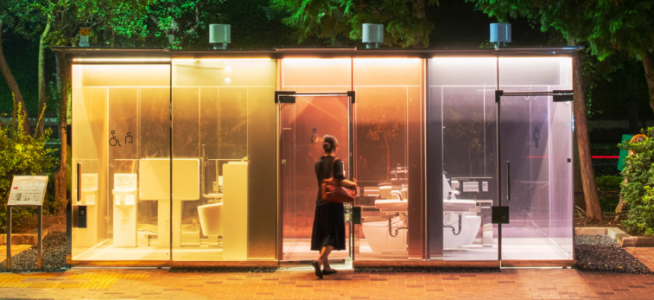
The scene portrayed above is from a Japanese movie, Perfect Days (2023), directed by Wim Wenders. The film portrays the life of a Tokyo toilet cleaner, Hirayama, who finds profound meaning and dignity in his seemingly mundane job. The philosophy of Perfect Days emphasizes finding dignity, meaning, and beauty in tasks, like cleaning toilets, reflecting the profound connection between care for shared spaces and human respect. As essential public services, sanitation and toilets embody this philosophy by upholding public health, equality, and dignity for all. Together, they remind us that even the simplest actions in maintaining hygiene can have transformative societal impacts.
The High Court’s various directives in CWPIL 6 of 2017 and the philosophy of Perfect Days converge on a universal truth: dignity resides in the care we show for our shared spaces and responsibilities. Just as Hirayama’s work elevates public toilets to sanctuaries of care, the court’s insistence on accountability and sustainable practices transforms sanitation into a symbol of collective respect and progress.
High Court seeks Rigorous Compliance of sanitation issues: Respect for shared spaces and lessons from Japan
 LawUmbrella