Advocate Deven Khanna, an alumnus of the esteemed National Law School, is currently engaged in legal practice at the High Court of Himachal Pradesh and the Supreme Court of India. His practice primarily focuses on areas such as Civil liberties, Constitutional law, Writs, Labour and Service matters, Public Interest Litigations, and Bail matters.
His academic contributions include articles in national journals, judging moot courts, and presentations at various legal conferences. He is committed to advancing legal education.
For inquiries, he can be contacted at khannadeven@gmail.com or on mobile at 7018469792.
Intention of the legislature- An Act to consolidate the laws relating to generation, transmission, distribution, trading and use of electricity and generally for taking measures conducive to development of electricity industry, promoting competition therein, protecting interest of consumers and supply of electricity to all areas, Continue reading “Jurisdiction of electricity tribunal”→
Preserving Shimla’s Pristine Beauty: A Call to Tackle Visual Pollution
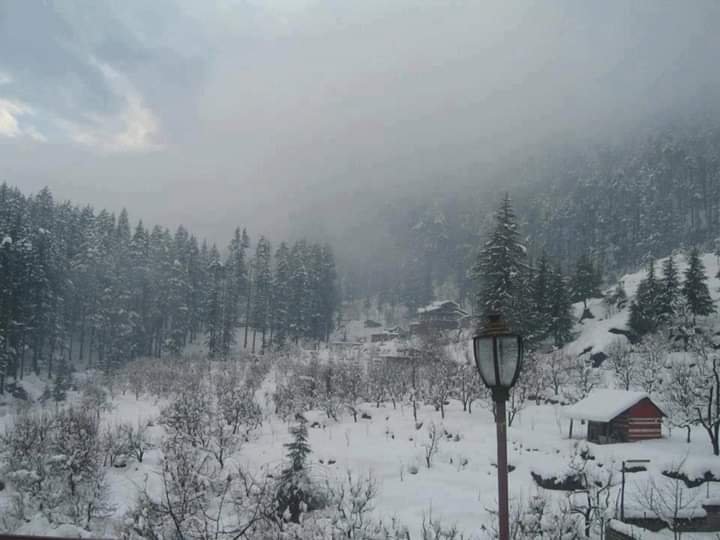
Shimla, nestled in the embrace of the mighty Himalayas, is a natural paradise adorned with lush forests, babbling streams, meadows, and pristine lakes. This breathtaking haven, often referred to as the “Abode of the Gods,” offers respite from the scorching plains and beckons adventure enthusiasts with its trekking trails, jeep safaris, paragliding, and river rafting. However, amidst its natural splendor, Shimla grapples with an increasingly pressing issue – visual pollution.
Shimla: A Glimpse
Situated at an elevation of 7200 feet in the north-western Himalayas, Shimla is not just a picturesque destination but also the capital of Himachal Pradesh. Its landscape is draped in dense oak and pine forests, rhododendron blooms, and a captivating colonial legacy. The town boasts splendid colonial edifices, charming cottages, and enchanting walks.
Shimla’s rich history is intertwined with its transformation into the summer capital of British India during the Raj. While the colonial era has passed, its architectural legacy endures. Notable landmarks include the Viceregal Lodge, gaiety theatre, and the former imperial Civil Secretariat. These architectural treasures offer a glimpse into India’s past when one-fifth of humanity was governed from Shimla.
The town sprawls across Seven Hills, each adorned with lush meadows and pine forests. Prospect, Observatory, Elysium, Jakhoo, Strawberry, Summerhill, and Inverarm – these hills create a stunning backdrop for Shimla’s unique charm.
The Growing Issue of Visual Pollution
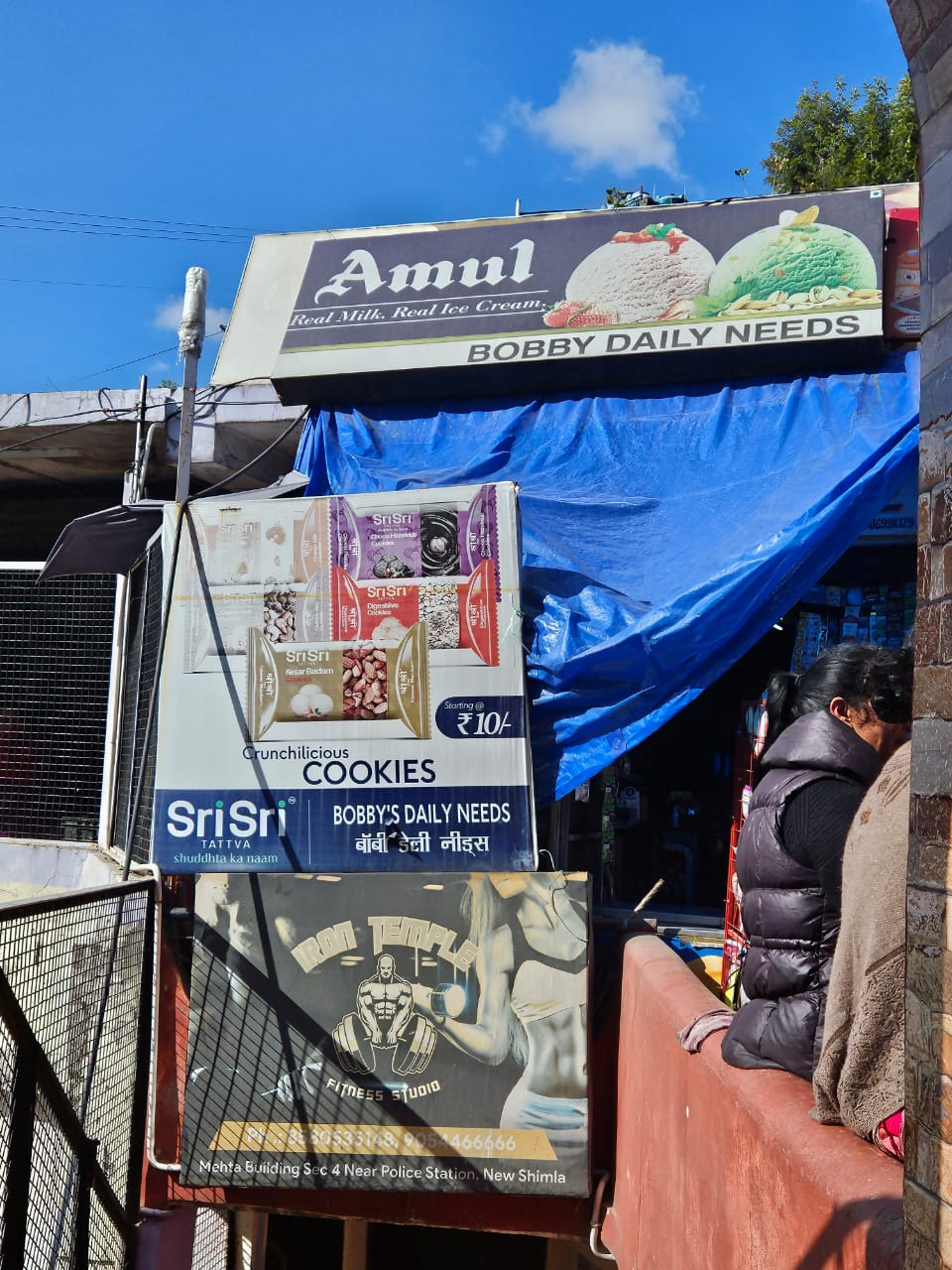
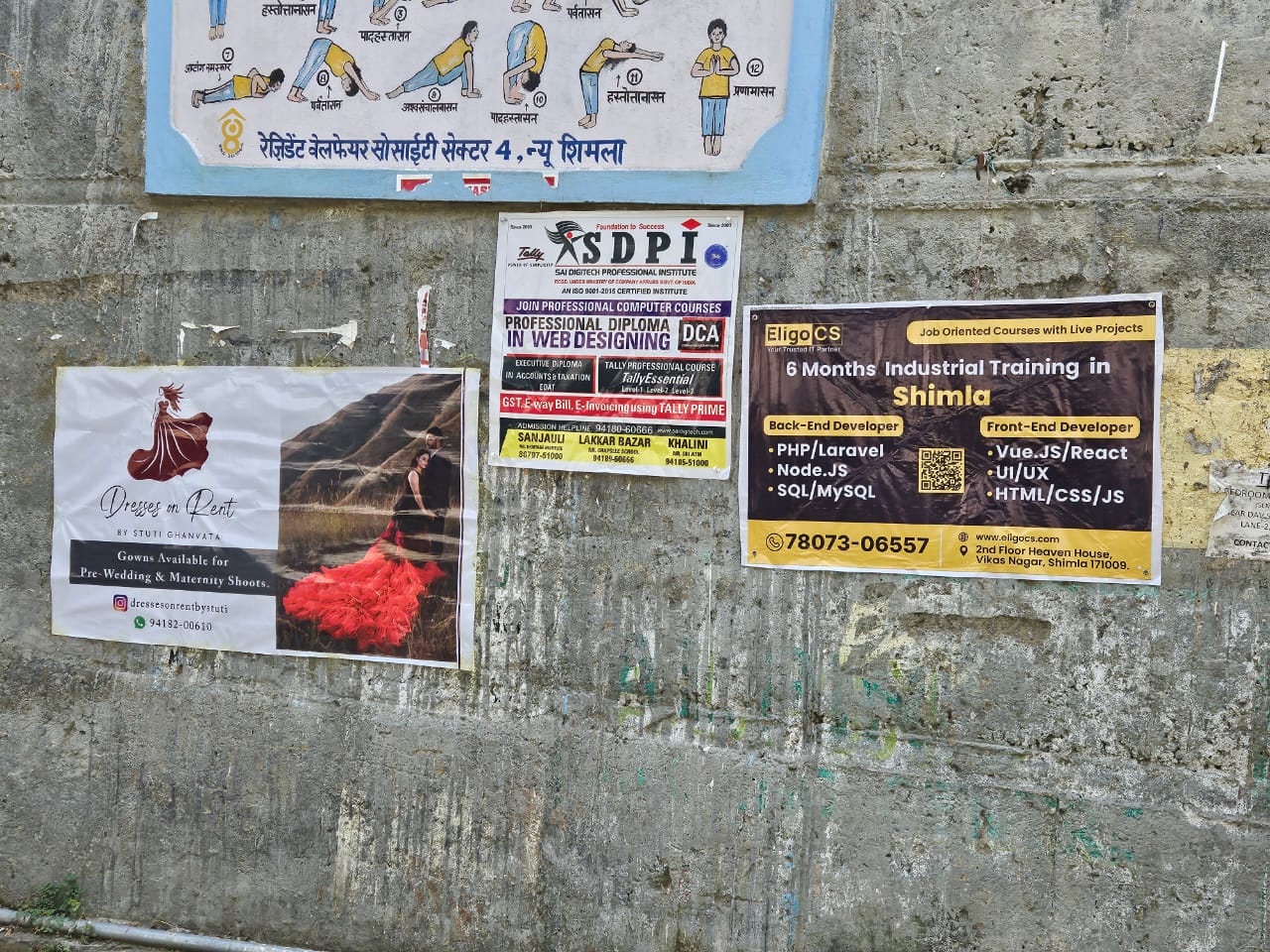
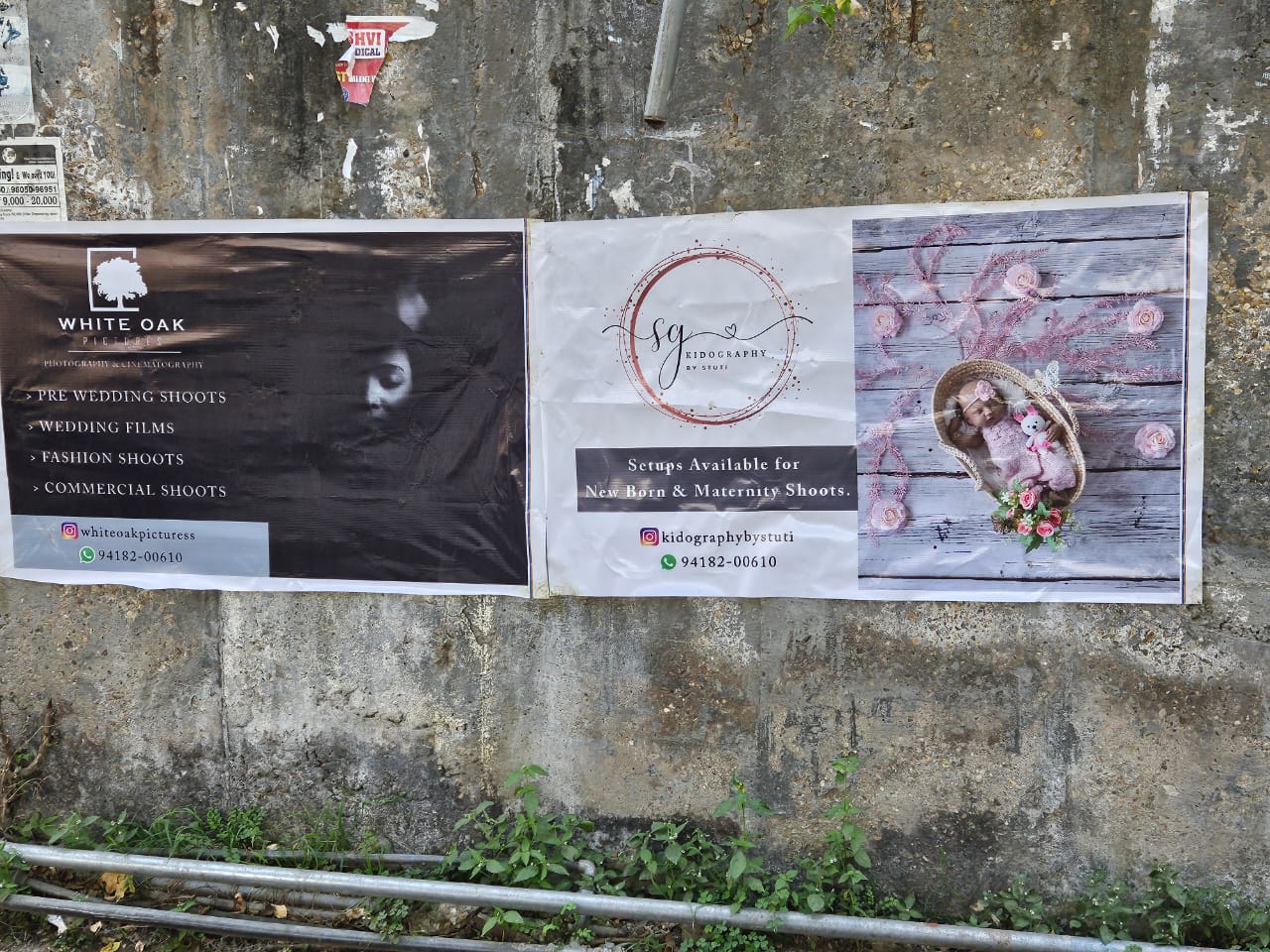
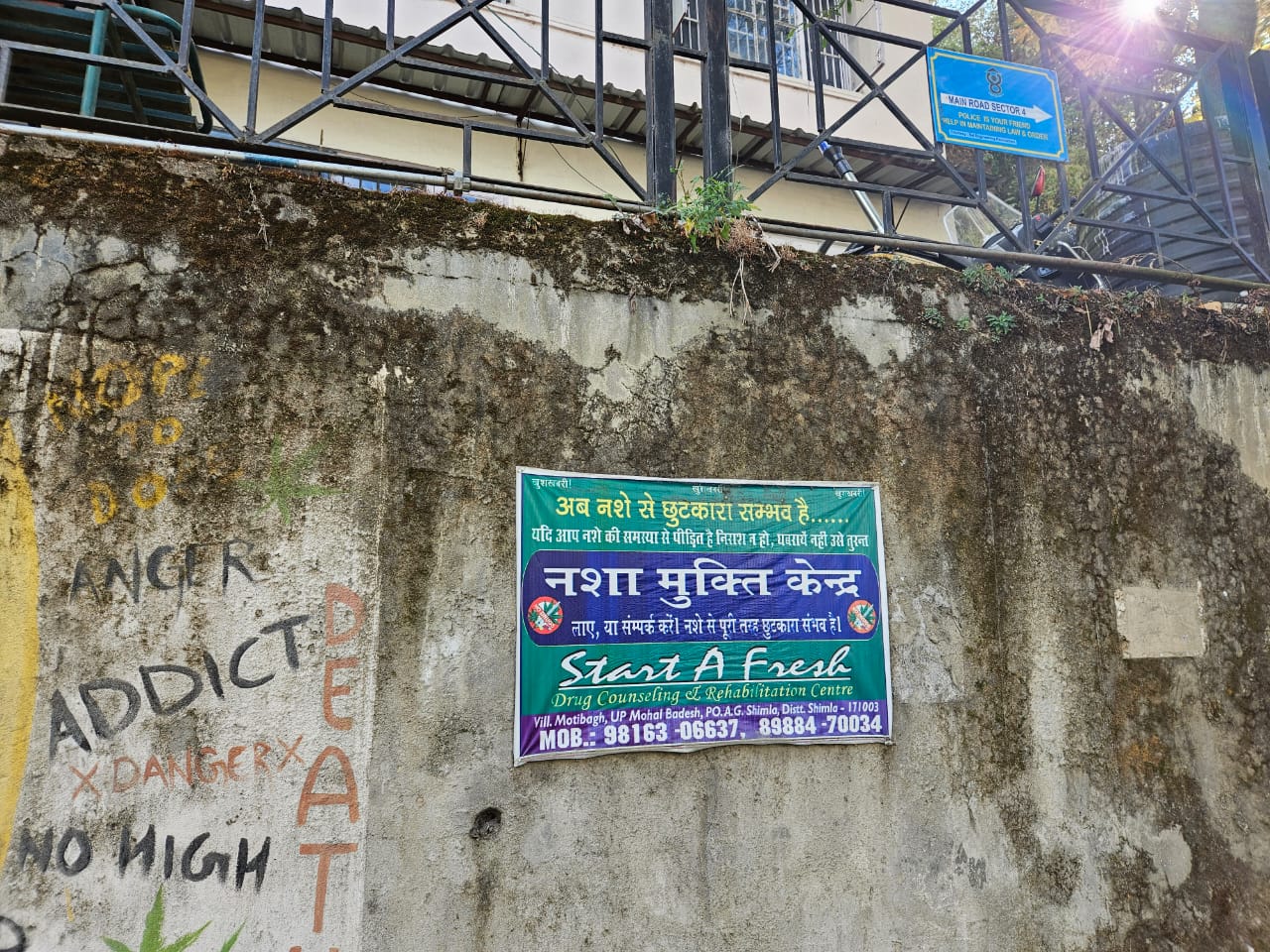
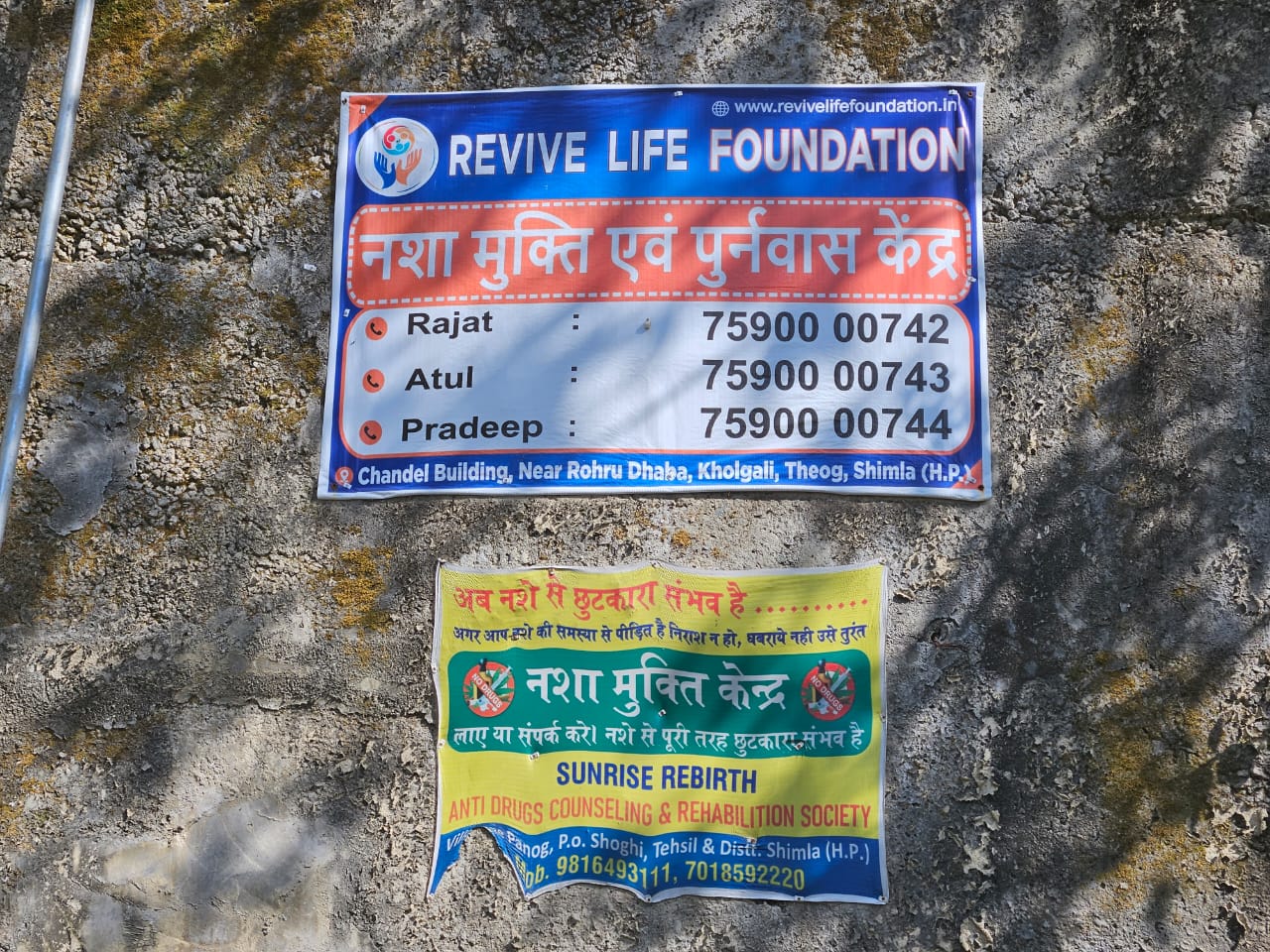
While Shimla’s natural beauty is unparalleled, a growing menace threatens its aesthetic appeal – visual pollution. During election seasons, the cityscape becomes cluttered with political posters, billboards, and slogans. These visuals mar the town’s natural aesthetics and architectural splendor.
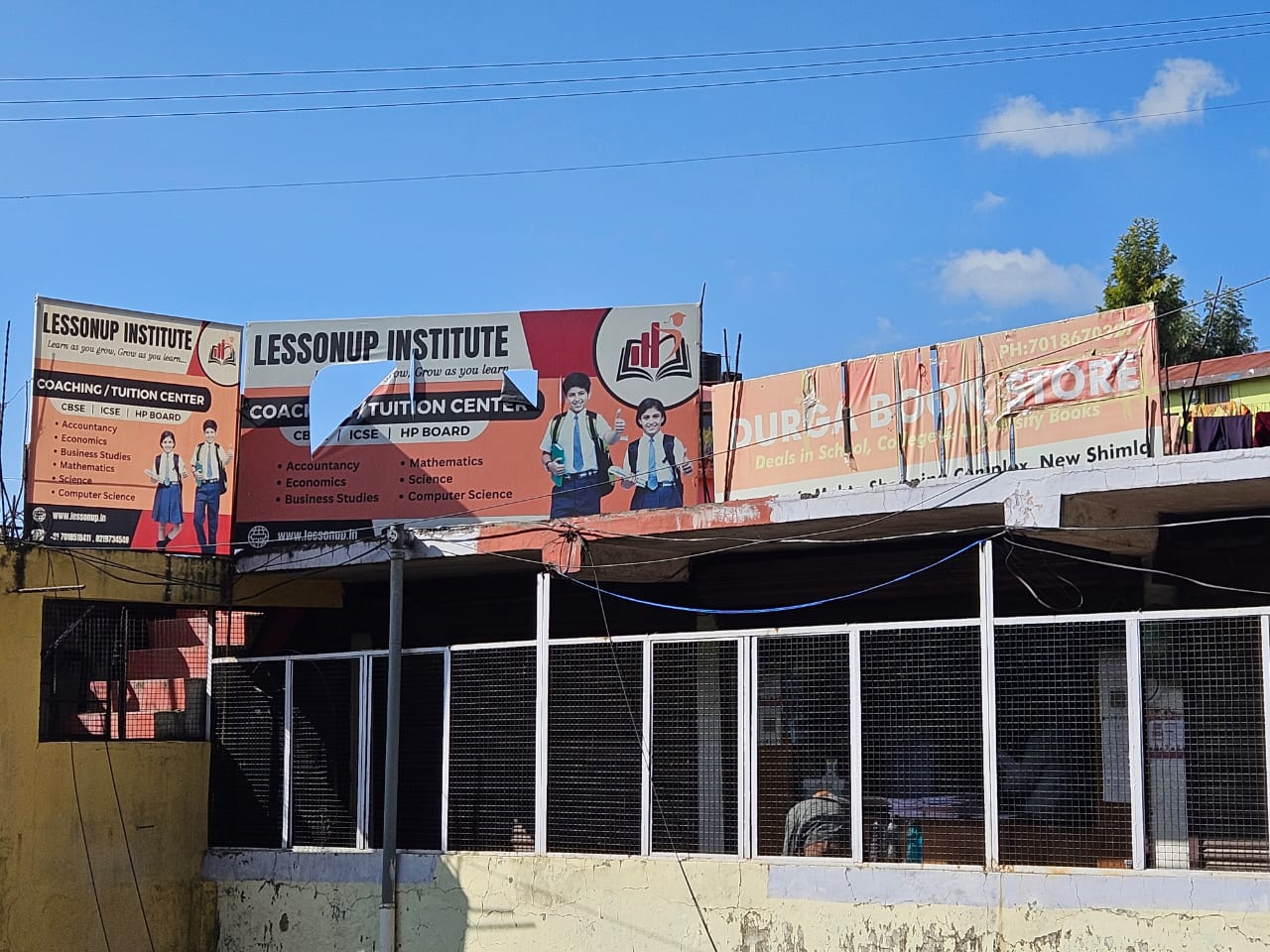
The problem isn’t limited to electioneering. Advertisements for educational institutions, movie promotions, and other commercial ventures also contribute to this unsightly visual clutter. Posters and hoardings are plastered across walls, buildings, and even trees, diminishing Shimla’s natural beauty.
Reports suggest that some political parties even engage painters to conduct a wall-writing campaign, disregarding legal prohibitions. Writing on government and public properties without permission is not just an eyesore but also a violation of the law.
The Environmental Impact
The consequences of visual pollution extend beyond aesthetics. It hampers Shimla’s ongoing beautification projects and obstructs public roads and traffic. Moreover, the materials used in these advertisements, often non-biodegradable, contribute to environmental damage if not disposed of properly.
State authorities have invested over 100 crore rupees in beautification initiatives for Shimla. However, the continuous defacement of public property undermines these efforts. The public, tourists, and the environment suffer from this degradation.
The Deteriorating Election Culture
The issue of visual pollution is closely linked to the deteriorating election culture in Himachal Pradesh. The past 15 years have witnessed a downward spiral in electioneering behavior. This includes tearing down opponents’ campaign posters and widespread illegal posting of banners, hoardings, and posters.
These activities cause public nuisance and violate citizens’ fundamental rights, including those guaranteed by Article 21 of the Indian Constitution. These visual eyesores compromise the right to a clean and beautiful environment.
A Call for Change
Preserving Shimla’s pristine beauty and restoring its splendor is not just a responsibility but a collective duty. The authorities must adopt a zero-tolerance approach to visual pollution, which includes:
Prohibiting the sticking and pasting of advertisements on walls and buildings.
Preventing the hanging of advertisements from trees.
Strict enforcement against paintings on rocks and walls without permission.
Promoting the use of biodegradable materials in bills, banners, stickers, and posters.
The Division Bench of the Hon’ble High Court of Himachal Pradesh in CWP 2312 of 2017, Order Dated 16/10/2017 stated the following;
Mr. Devan Khanna invites our attention to the decisions rendered by Hon’ble the Apex Court in:(a) N.K. Bajpai v. Union India, (2012) 4 SCC 653;(b) M.P. v. Kedia Leather & Liquor Ltd., (2003) 7 SCC 389;(c) Chameli Singh v. State of U.P., (1996) 2 SCC 549;as well as the provisions of the Himachal Pradesh Open Places (Prevention of Disfigurement) Act, 1985 (hereinafter referred to as the Act).
Primarily, the issue pertains to the manner in which the political parties indulge in wall writing and setting up of hoardings, in gross violation of the provisions of the Act, as also the Model Code of Conduct and the Environmental Laws of the land.Public places and places open to public view stand defined in Section 2 of the Act, which reads as under:
(a) “advertisement” means any printed, cyclostyled, typed or written notice, document, paper, or any other thing containing any letter, word, picture, sign, or visible representation;
(b) “places open to public view” include any private place or building, monument, statue, post, wall, fence, tree, or contrivance visible to a person being in, or passing along, any public place;
(c) “public place” means any place (including a road, street, or way, whether a thoroughfare or not and landing place) to which the public are granted access or have a right to resort or over which they have a right to pass.
Significantly, “advertisement” includes any printed, cyclostyled, typed, or written notice, document, paper, or any other thing containing any letter, word, picture, sign, or visible representation. The definition is inclusive. Such advertisement is prohibited to be exhibited, both at “places open to public view” and “public places”, unless so ordered otherwise. Action contrary to the statute is penal in nature, and the burden, in terms of Section 4 of the Act, to establish innocence is on the offender.
Even offenses by companies are covered under Section 6 of the Act. “Company” again has been defined to also include an association of individuals, which in our considered view, would cover political parties.
Mr. Devan Khanna also invites our attention to various circulars issued by the Election Commission of India from time to time.
Noticeably, these days banners for advertisement are not made of cloth but of non-biodegradable material, which further aggravates the environmental pollution.
Under these circumstances, by way of interim, we direct that the Himachal Pradesh Chief Electoral Officer – respondent No.6 shall issue appropriate directions to all the District Election Officers/Returning Officers, who are involved in the conduct of elections to the Himachal Pradesh State Legislative Assembly to be held on 9.11.2017, to the following effect:
“No wall writing, pasting of posters/papers or defacement in any other form, or erecting/displaying of cutouts, hoardings, banners flags etc. shall be permitted on any Government premise (including civil structures therein). For this purpose a Government premise would include any Govt. office and the campus wherein the office building is situated;
Wall writing, pasting of posters, and similar other permanent/semi-permanent defacement which is not easily removable, shall not be resorted to on any “public places” and “places open to public view” under any circumstances even on the pretext of the consent of the owner of the property, except in accordance with law. wall writing, pasting of posters, and similar other permanent/semi-permanent defacement which is not easily removable, shall not be resorted to on any “public places” and “places open to public view” under any circumstances even on the pretext of the consent of the owner of the property, except in accordance with law.
It’s time to reclaim Shimla’s visual aesthetics and protect the rights of its residents and visitors to enjoy a clean and beautiful environment. The future of Shimla depends on the actions we take today to combat visual pollution, restore its pristine charm, and uphold its legacy as the “Queen of Hills.”
On May 31, the Times of India reported some observations of a two-judge bench of the Supreme Court on its contempt powers. The Court noted that the power to punish for contempt was necessary to “secure public respect and confidence in the judicial process”, and also went on to add – rather absurdly – to lay down the requirements, in terms of timing, tone and tenor, of a truly “contrite” apology.This opinion, however, provides us with a good opportunity to examine one of the most under-theorised aspects of Indian free speech law: the contempt power.
Whether a probationer has any substantive right to hold the post? Whether the management has the right to pass an order of discharge simplicitor against a probationer?
There cannot be any rule of thumb regarding the precise weight to be given to Interview and that it must vary from service to service according to the requirements of the service, the minimum qualifications prescribed, the age group from which the selection is to be made, the body to which the task of holding the interview test is proposed to be entrusted and a host of other factors. Continue reading “Allocation of marks for interview test (service law)”→
Introduction: The question regarding the ability of a court to mandate the re-evaluation of examination papers in the absence of a specific statutory provision is a matter of great legal significance. The Supreme Court of India has consistently maintained that re-evaluation of examination papers is not a right that candidates can demand unless there is an explicit provision in the relevant rules or statutes. The jurisprudence pertaining to the re-evaluation of answer scripts in India is marked by a strong reluctance to interfere in the absence of statutory provisions. Nevertheless, the Supreme Court has made exceptions in situations where there are clear errors in evaluation or when statutory rights, such as those enshrined in the Right to Information (RTI) Act, are implicated. Together, these judgments underscore the importance of maintaining a balanced approach that respects the autonomy of educational institutions while ensuring fairness and accuracy in the evaluation process.
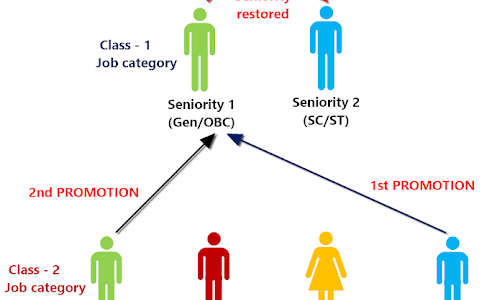
The Hon’ble Supreme Court in the case of Indra Sawhney & Ors. Vs. Union of India & Ors, reported in 1992 Supp.(3) SCC 217, held that Article 16(4) of the Constitution does not permit reservations in the matter of promotion. Thereafter, the Constitution (Seventy-Seventh) Act, 1995 came into force on 17.6.1995. Later on, the Hon’ble Supreme Court in the cases of Union of India & Ors. Vs. Virpal Singh Chauhan & Ors., reported in (1995) 6 SCC 684, Ajit Singh Januja & Ors. (Ajit Singh-I) Vs. State of Punjab & Ors., reported in (1996) 2 SCC 715 and Ajit Singh (II) & Ors. Vs. State of Punjab & ors., reported in (1999) 7 SCC 209, introduced the catch-up rule and held that if the senior general candidate is promoted then he will regain his seniority on promotion post above junior reserved promotes. It was also held that consequential seniority on promotion post is not covered by Article 16(4A).
 LawUmbrella