Flex banners have long been a prominent feature of our urban landscapes, adorning streets, buildings, and public spaces with advertisements and announcements. However, the unchecked use of these banners has raised significant concerns related to environmental preservation, plastic waste management, and public safety. In this blog, we will delve into the issue of flex banners, their composition, their environmental impact, and the need for stricter regulations to address these pressing concerns.
What Are Flex Banners?
Flex banners, short for flexible banners, are typically made from a material known as Poly Vinyl Chloride (PVC). PVC is a synthetic plastic polymer that is widely used in various applications due to its flexibility and durability. In the context of advertising, flex banners are often printed with colorful graphics and text to convey messages to a broad audience.
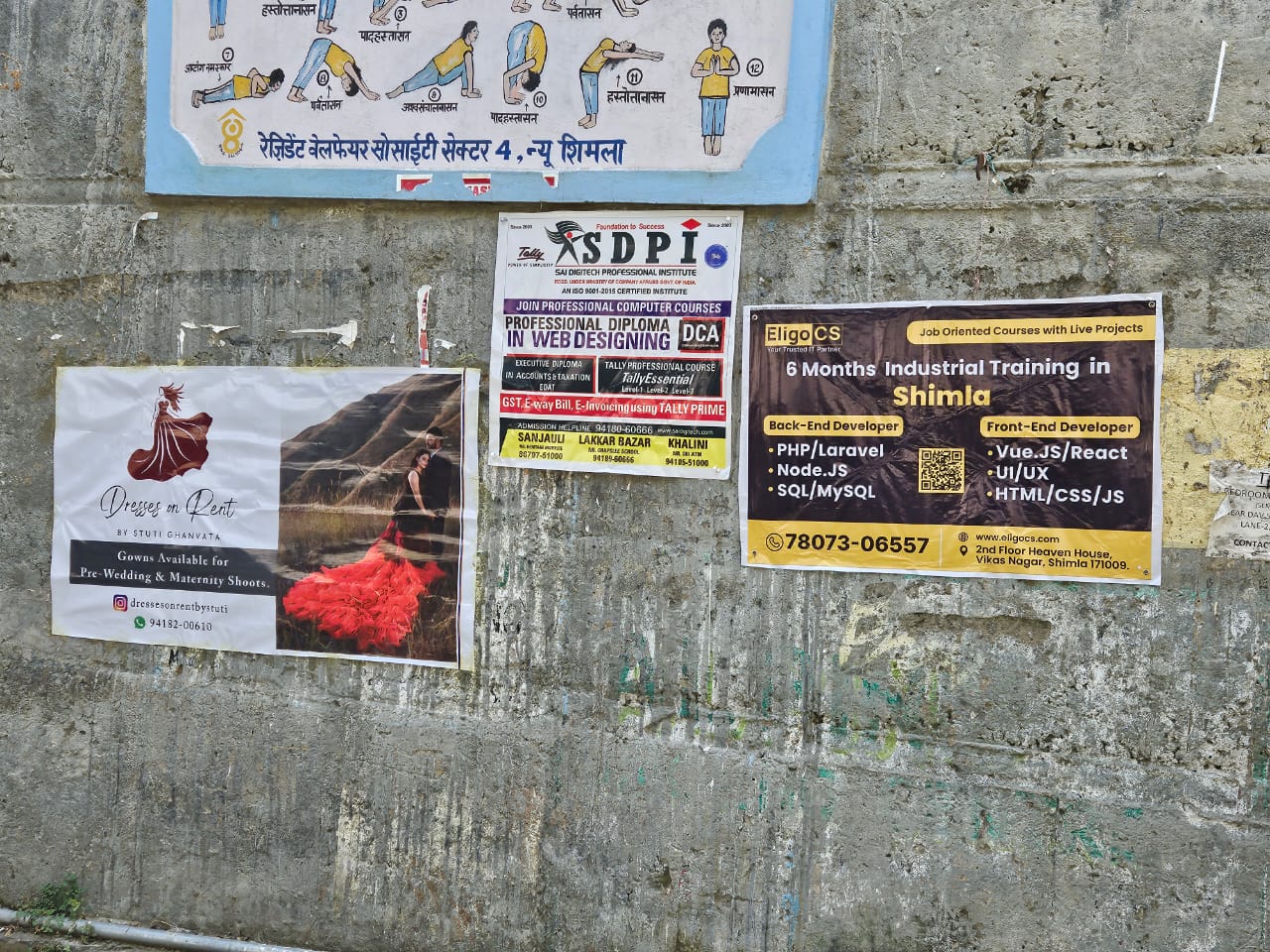
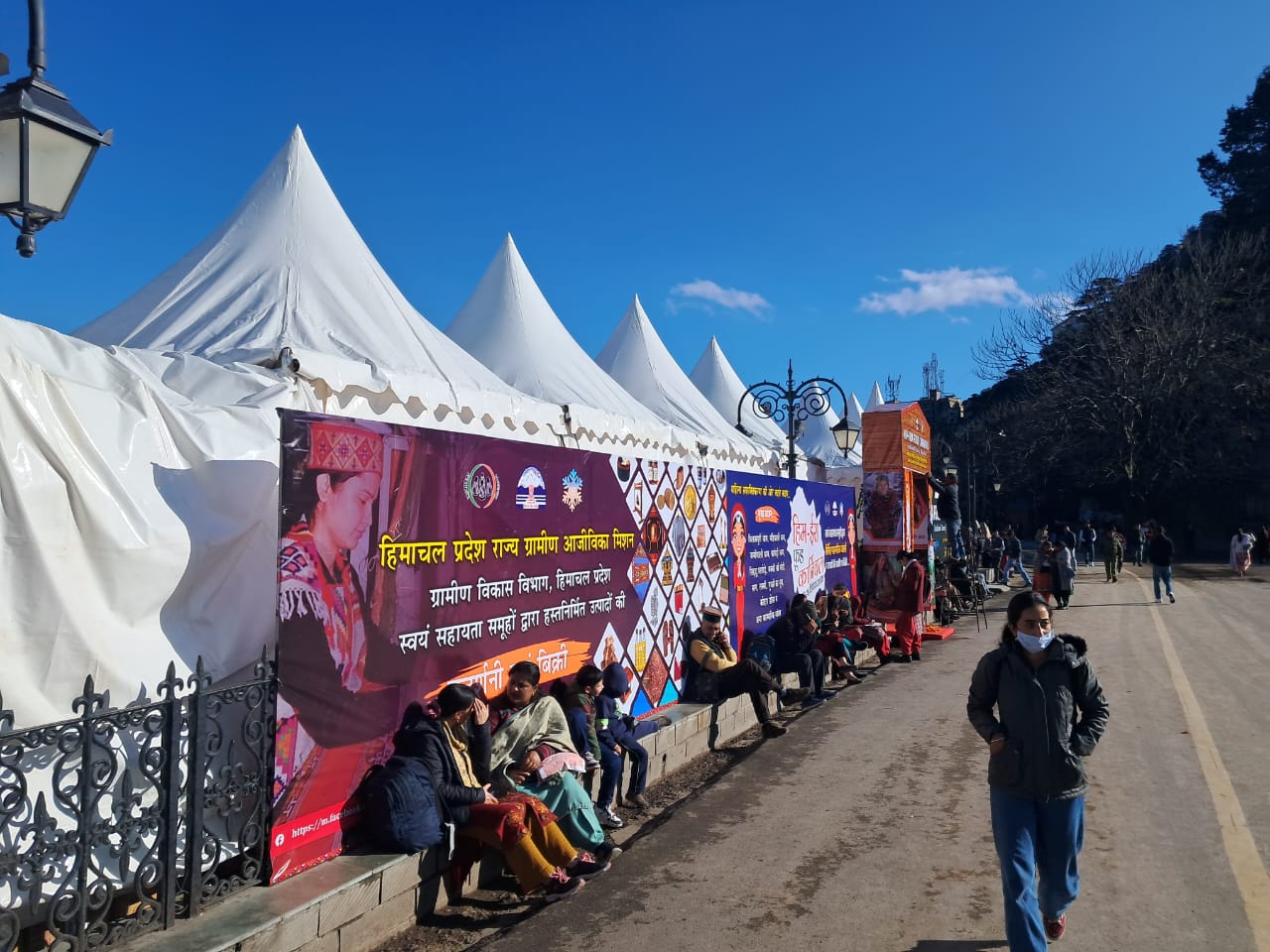
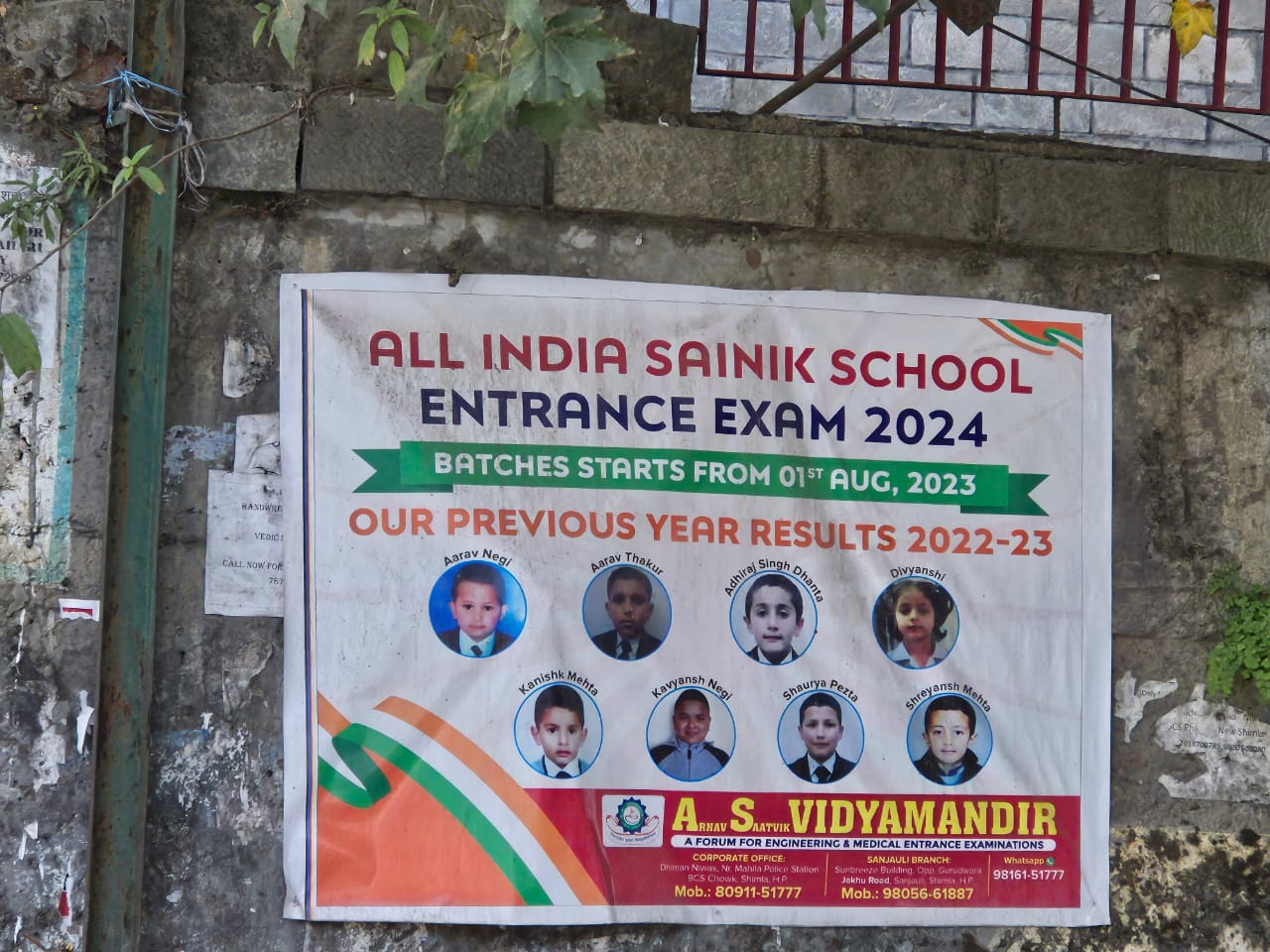

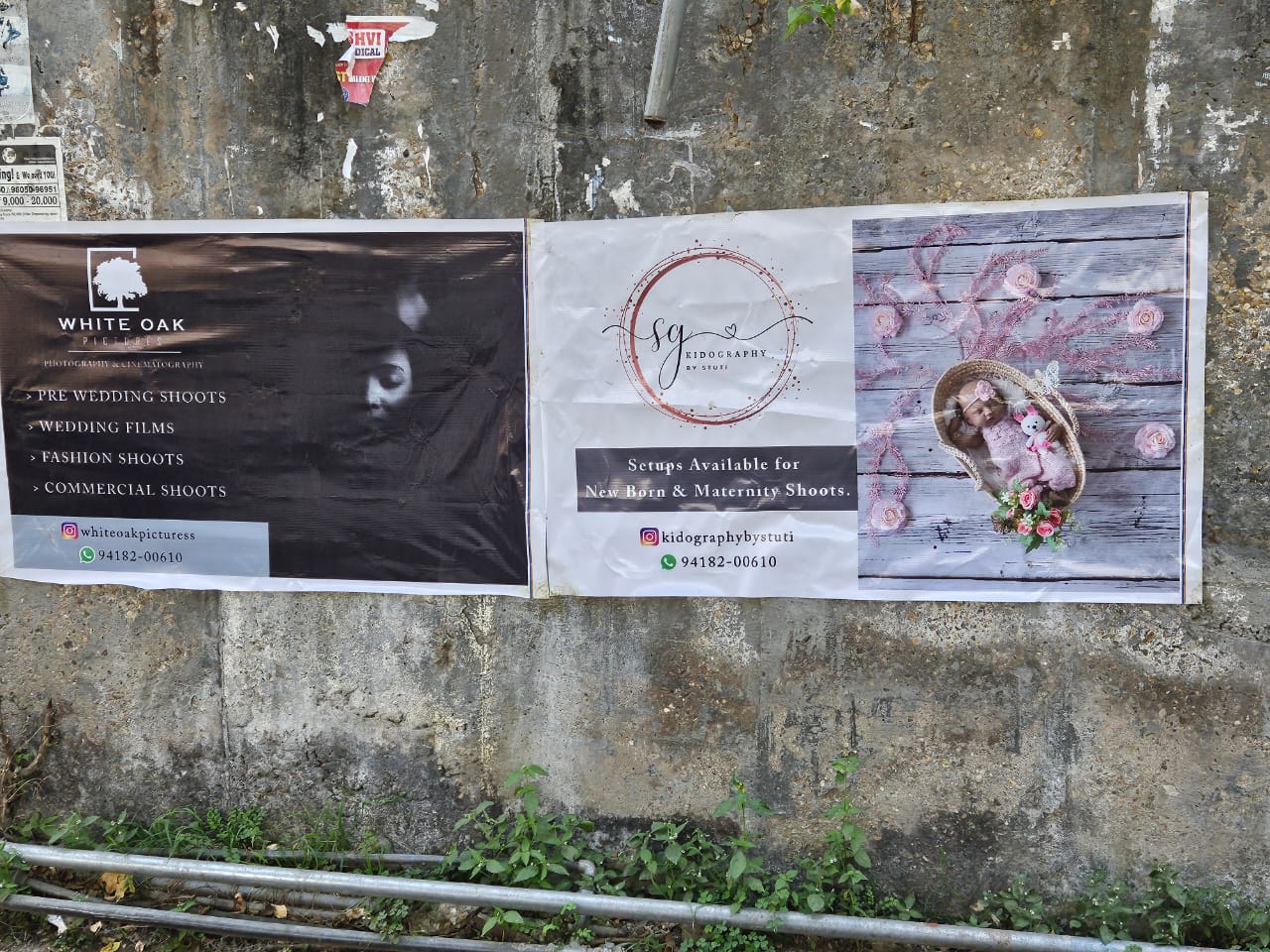
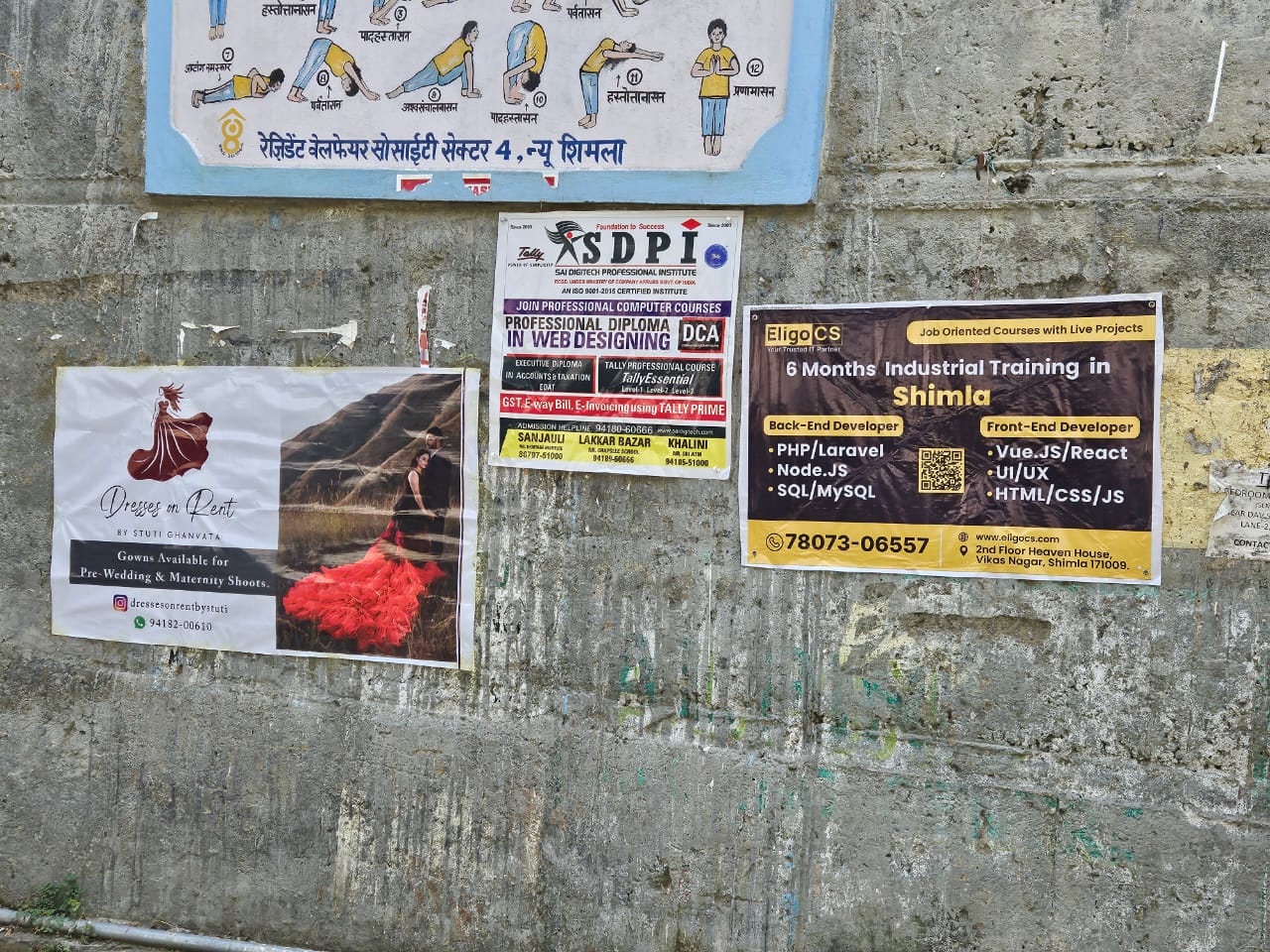
Banning Flex Banners—Successful Precedents:
Acknowledging the indiscriminate use and environmental harm caused by the PVC flex banners, the Ministry of Environment, Forestry, and Climate Change of the Government of India has already banned such banners in its Order dated March 9, 2020, “Regarding ban of use of Flexi” used for short-term purposes in government institutions.
Indian cities, including Chennai, Bengaluru, and Pune, have taken measures to ban or restrict the use of plastic Flexi banners due to concerns about environmental impact, visual pollution, and safety hazards. For example, Chennai imposed a ban on plastic Flexi banners in 2018.
Indian states like Kerela, Karnataka, Nagaland, and Maharashtra have introduced Bans and statewide regulations regarding Plastic Flexi banners. These states have implemented stricter rules governing the use of Plastic Flexi banners in 2019, including provisions for fines and penalties for non-compliance.
The Andhra Pradesh government vide its Notification No. G.O. Ms. No. 65 dt. 22.09.2022 has declared ban on plastic flex banners under the Environment (Protection) Act 1986, effective from November 1, 2022. Under the ban, no one will be allowed to manufacture or import plastic flex in the state. Any type of plastic flex printing, transporting, or displaying within the state is prohibited and is against the law.The decision will be enforced across the state, both in urban and rural areas. All municipal corporations, municipal councils, district collectors, and zonal offices of the Zilla Parishad have been sensitised to enforce the law in their respective regions.
Environmental Impact: Why Flex Banners Should Be Banned
The widespread use of flex banners has raised several environmental concerns:
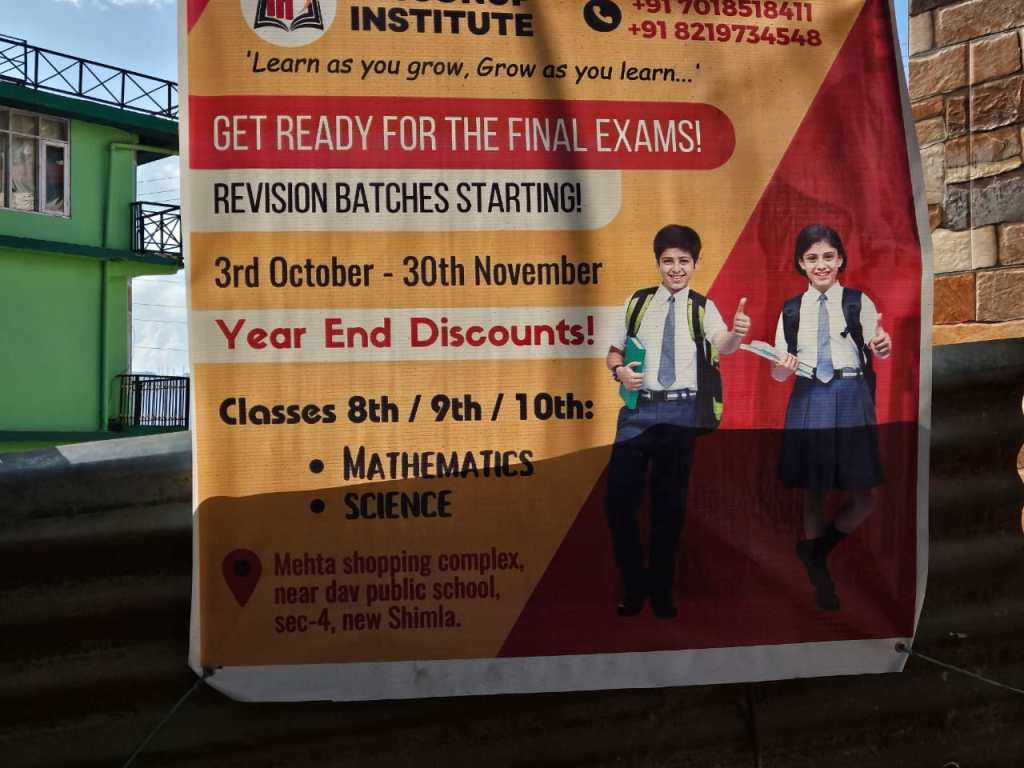
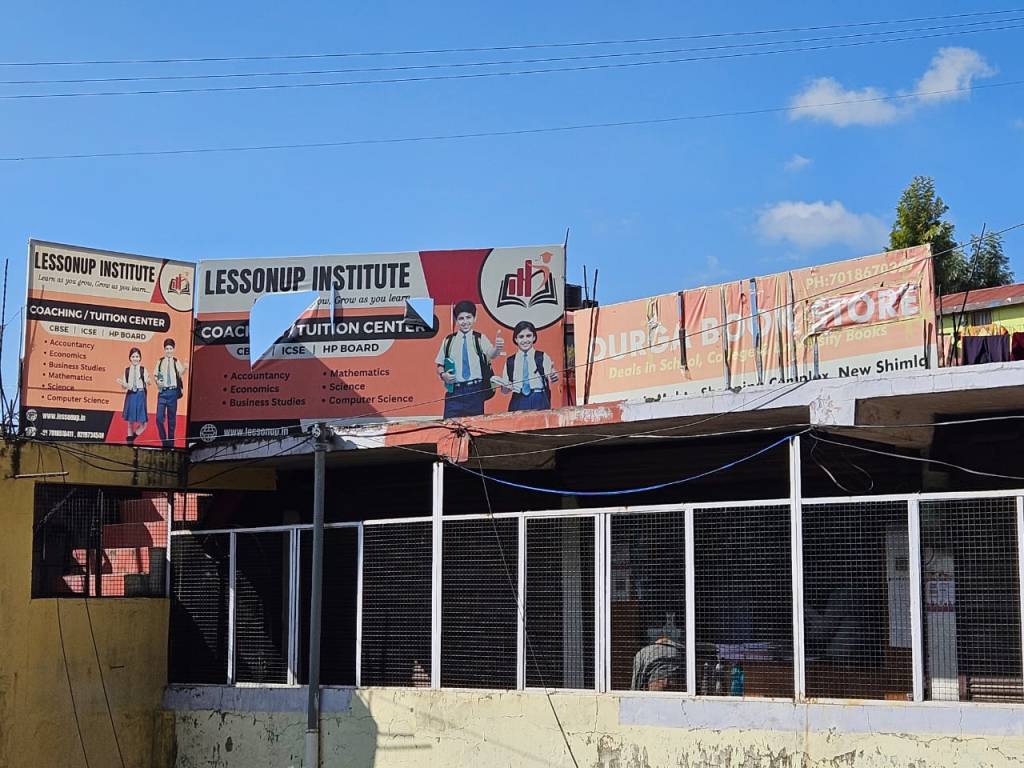
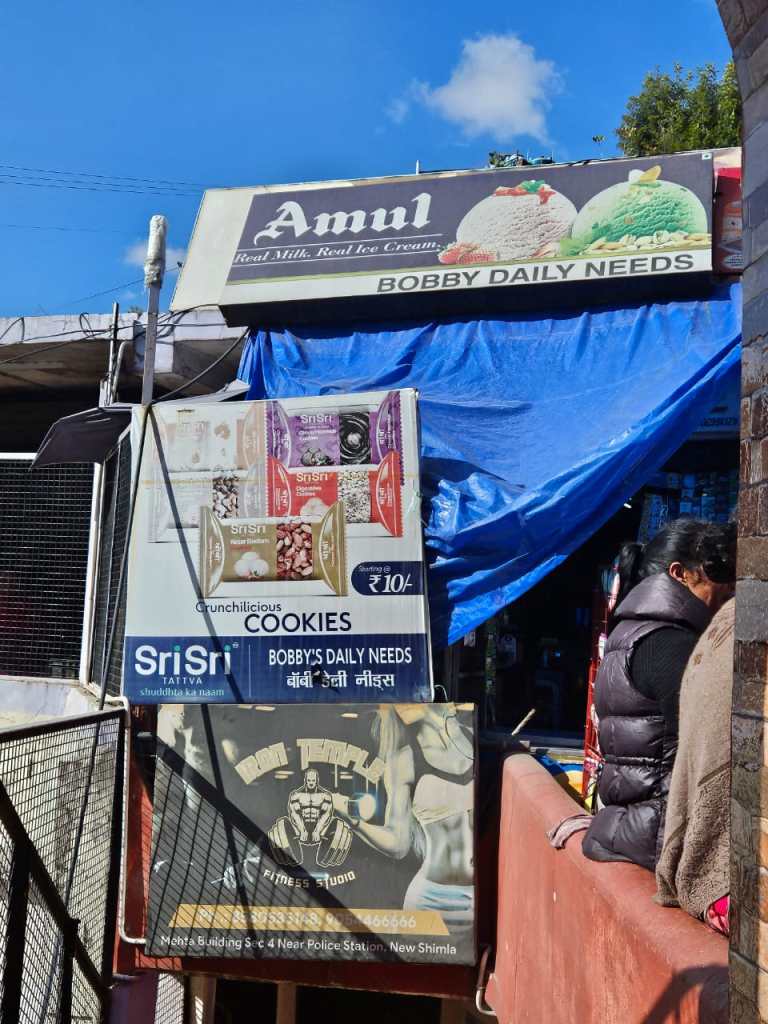
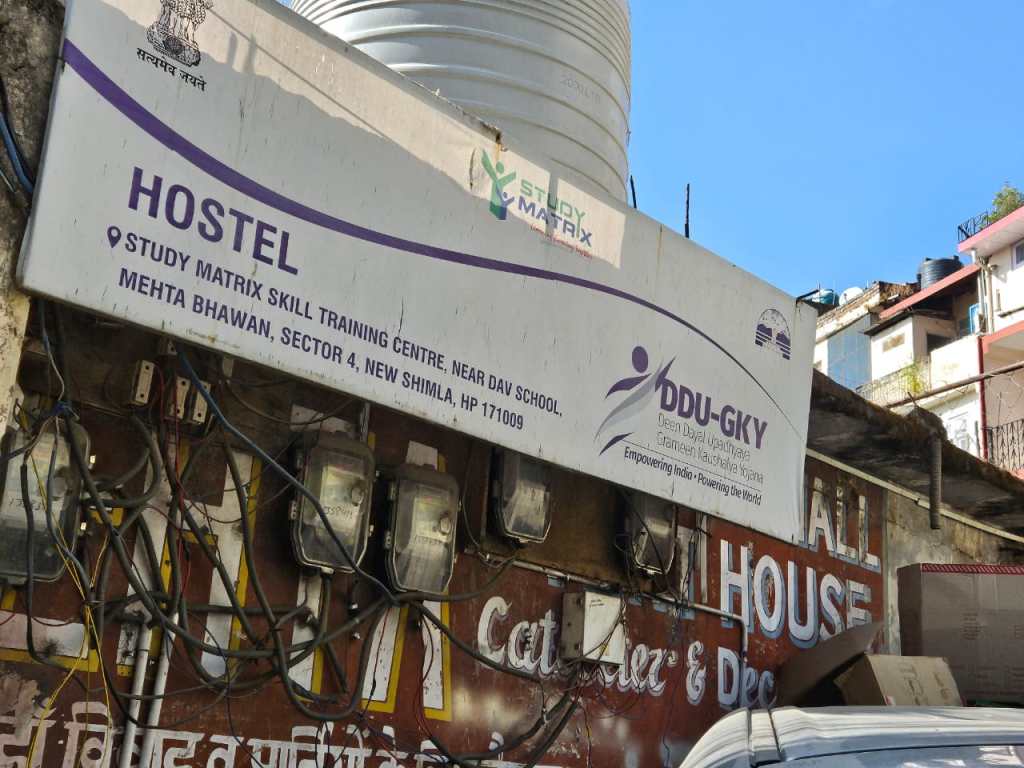
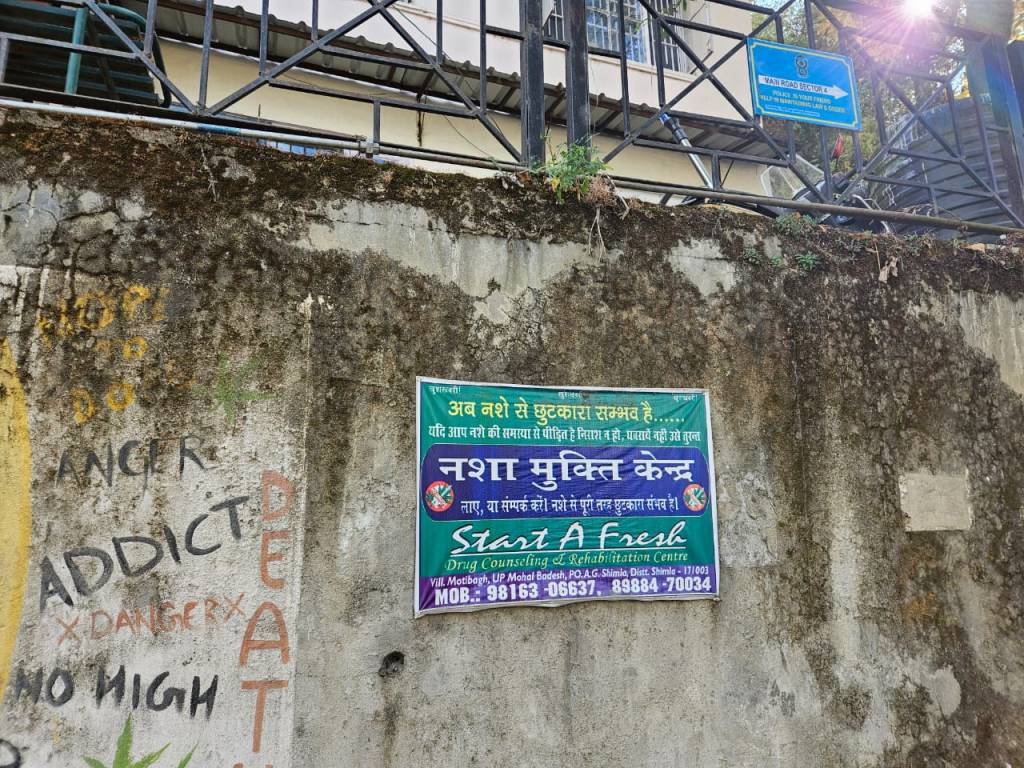
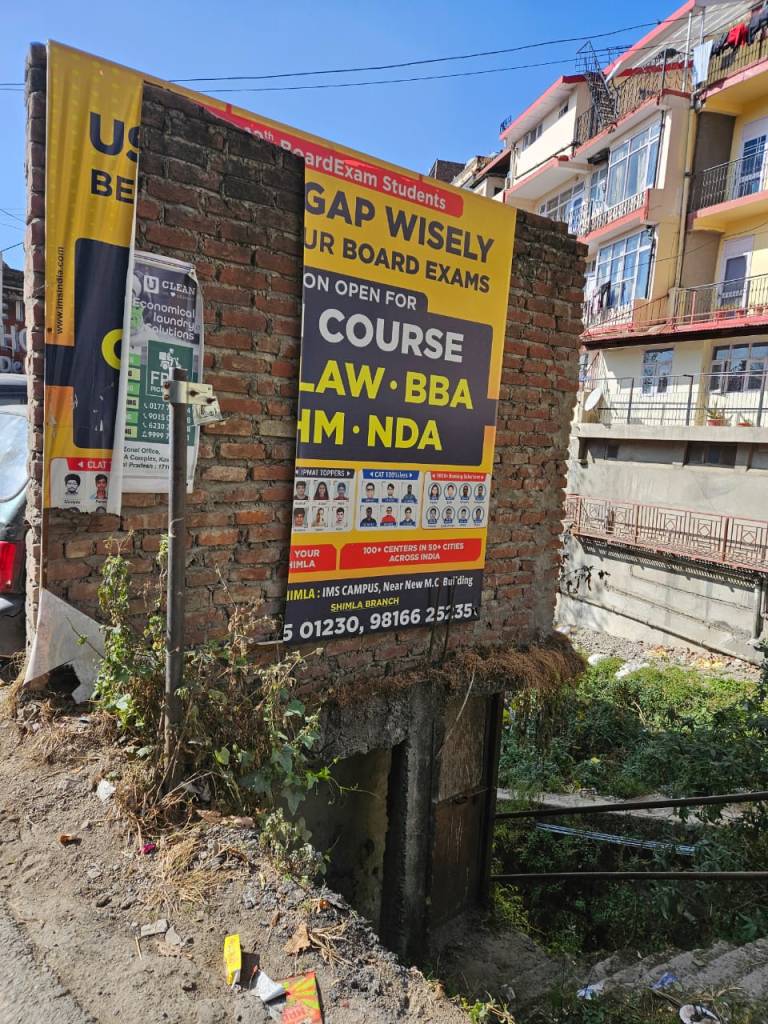
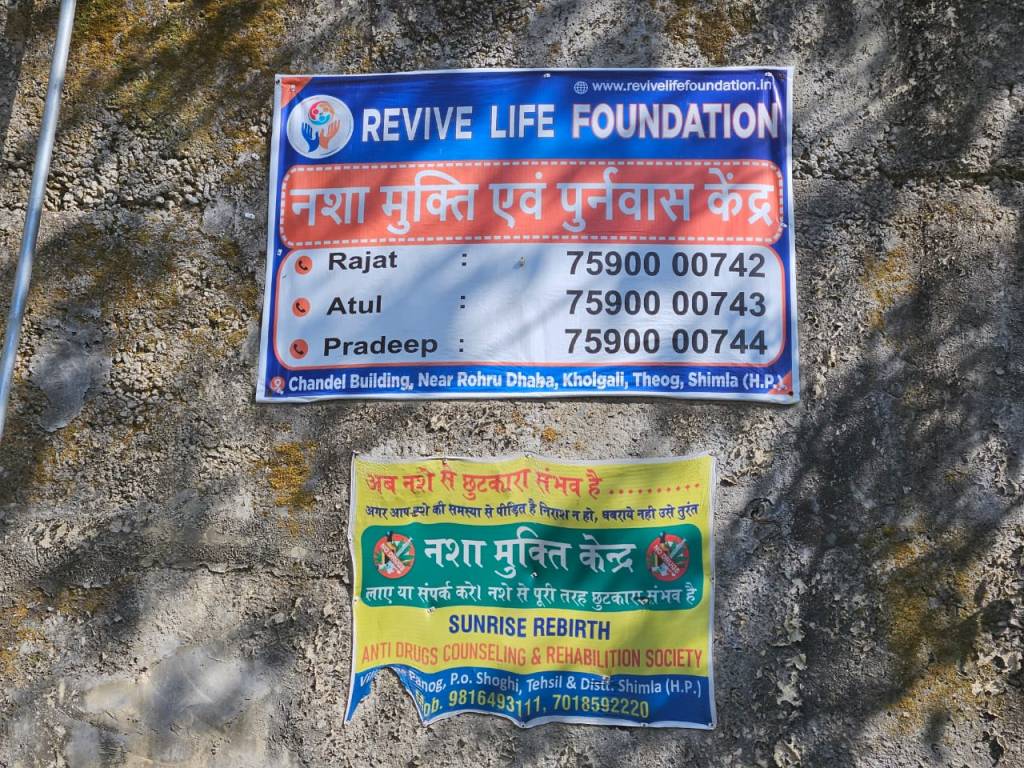
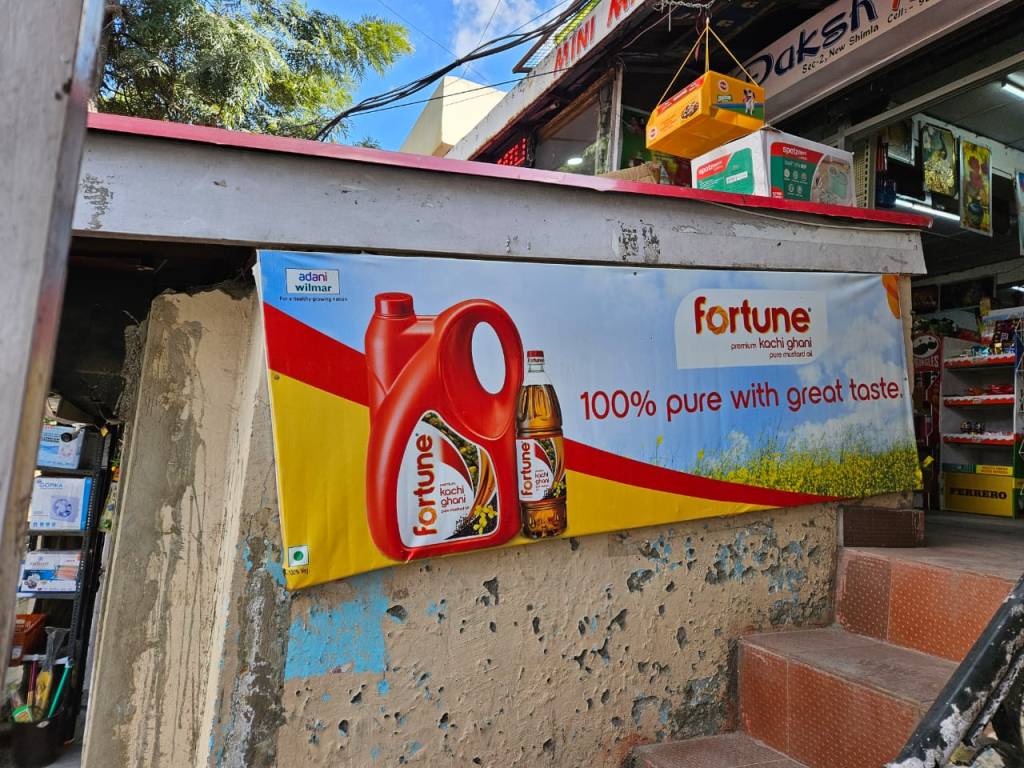
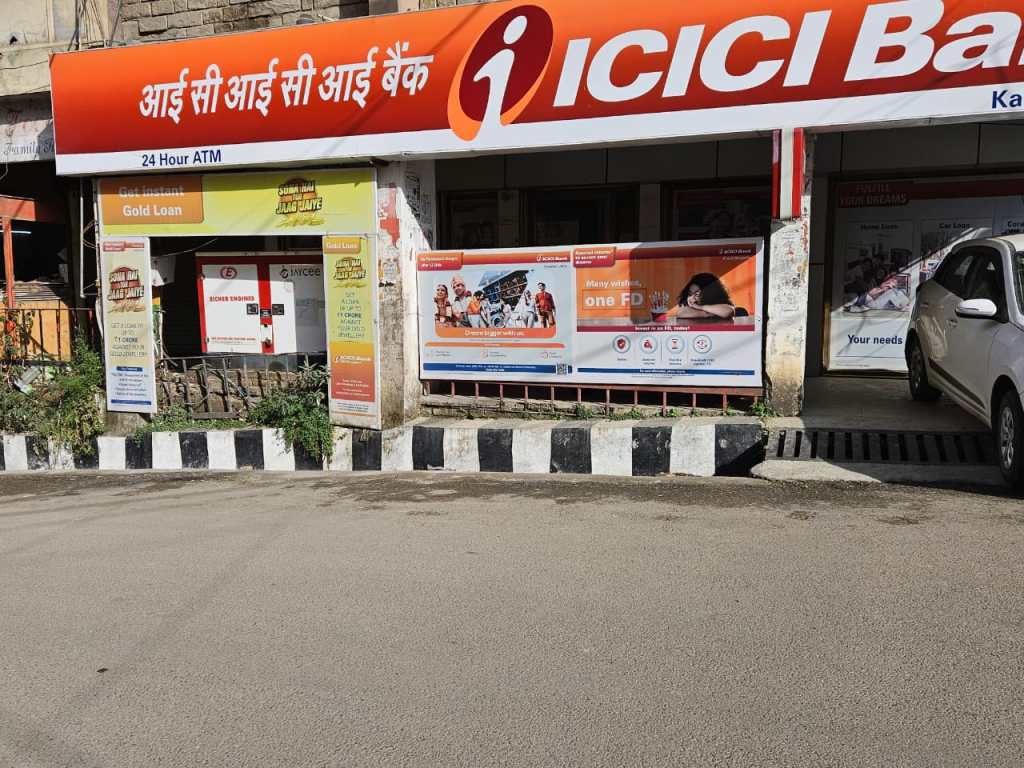
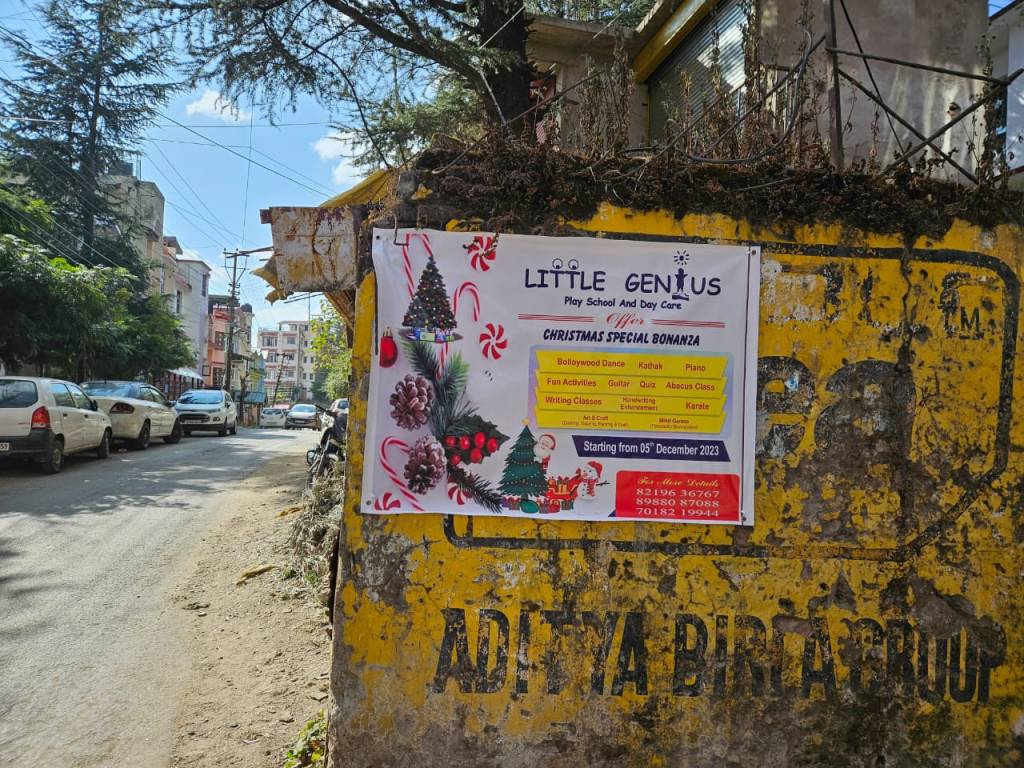
- Non-Biodegradable Material: One of the most significant issues with flex banners is that they are made from PVC, a non-biodegradable material. When these banners are discarded or removed, they do not decompose naturally, contributing to plastic waste accumulation.
- Toxic Emissions: PVC is hazardous to the environment and human health. Burning PVC, whether intentionally or accidentally, releases toxic gases like dioxins and furans into the atmosphere, posing health risks to those exposed.
- Visual Pollution: Flex banners, when installed without proper authorization, often deface public spaces, telephone poles, and trees. This visual pollution affects the aesthetic beauty of our cities and towns.
- Unregulated Proliferation: There is a lack of mechanisms to control the usage of flex banners, resulting in their unchecked proliferation. Public spaces are now saturated with these banners, sometimes used for personal promotions rather than community benefit.
The issue of flex banners extends beyond the realm of advertising. It touches upon broader themes of environmental responsibility, public safety, and the quality of urban life. As individuals and communities, we are collectively responsible for addressing these concerns and advocating for more sustainable alternatives to flex banners.
Call for Action By Shimla Collective
Concerned residents of Shimla, through the group “Shimla Collective,” have taken a proactive stance against the proliferation of plastic Flexi banners, recognizing the severe environmental and safety hazards they pose. A representation is being submitted to the top government authorities and concerned departments of Himachal Pradesh, outlining a series of pressing issues related to these banners and calling for immediate action.
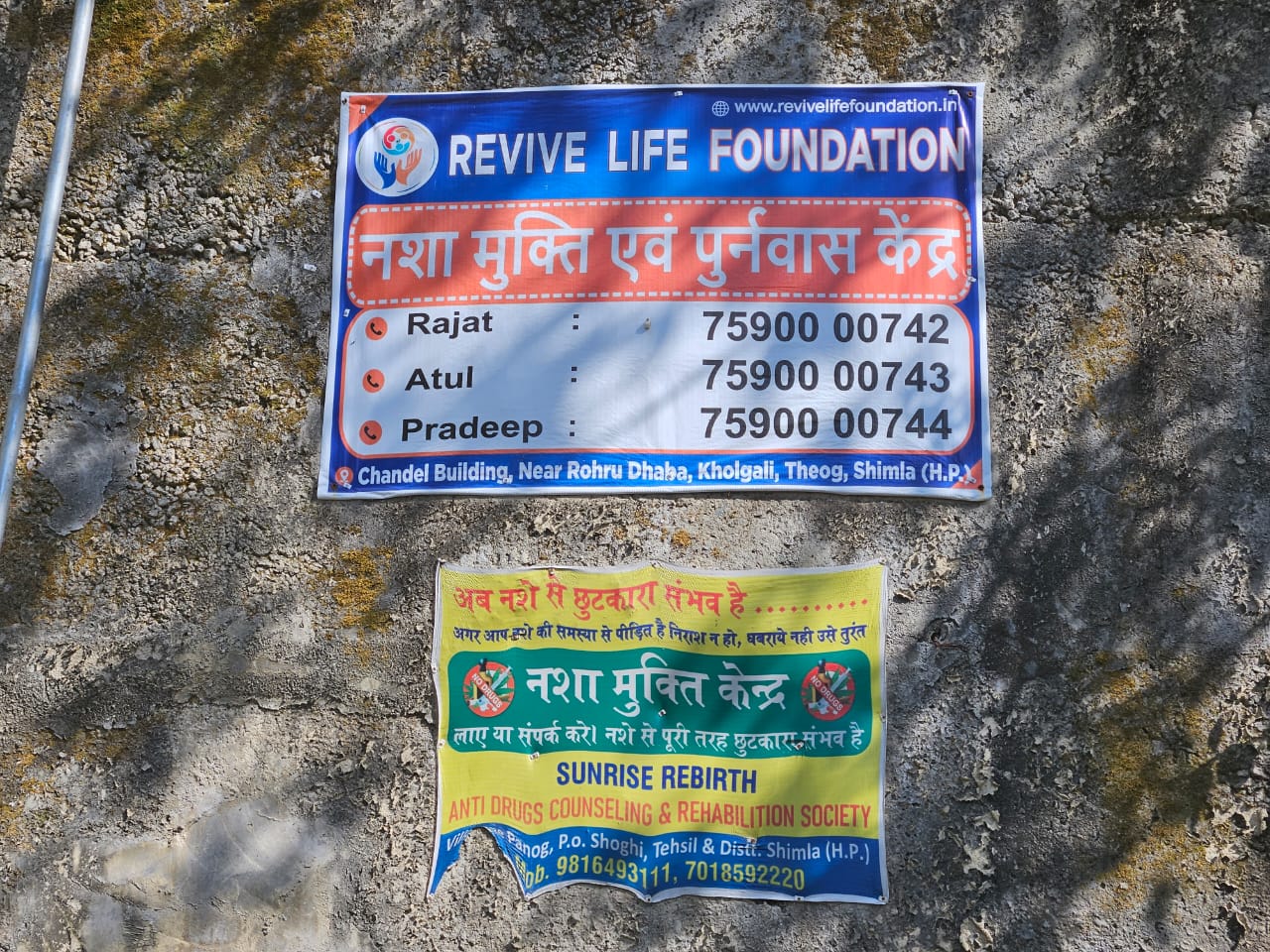
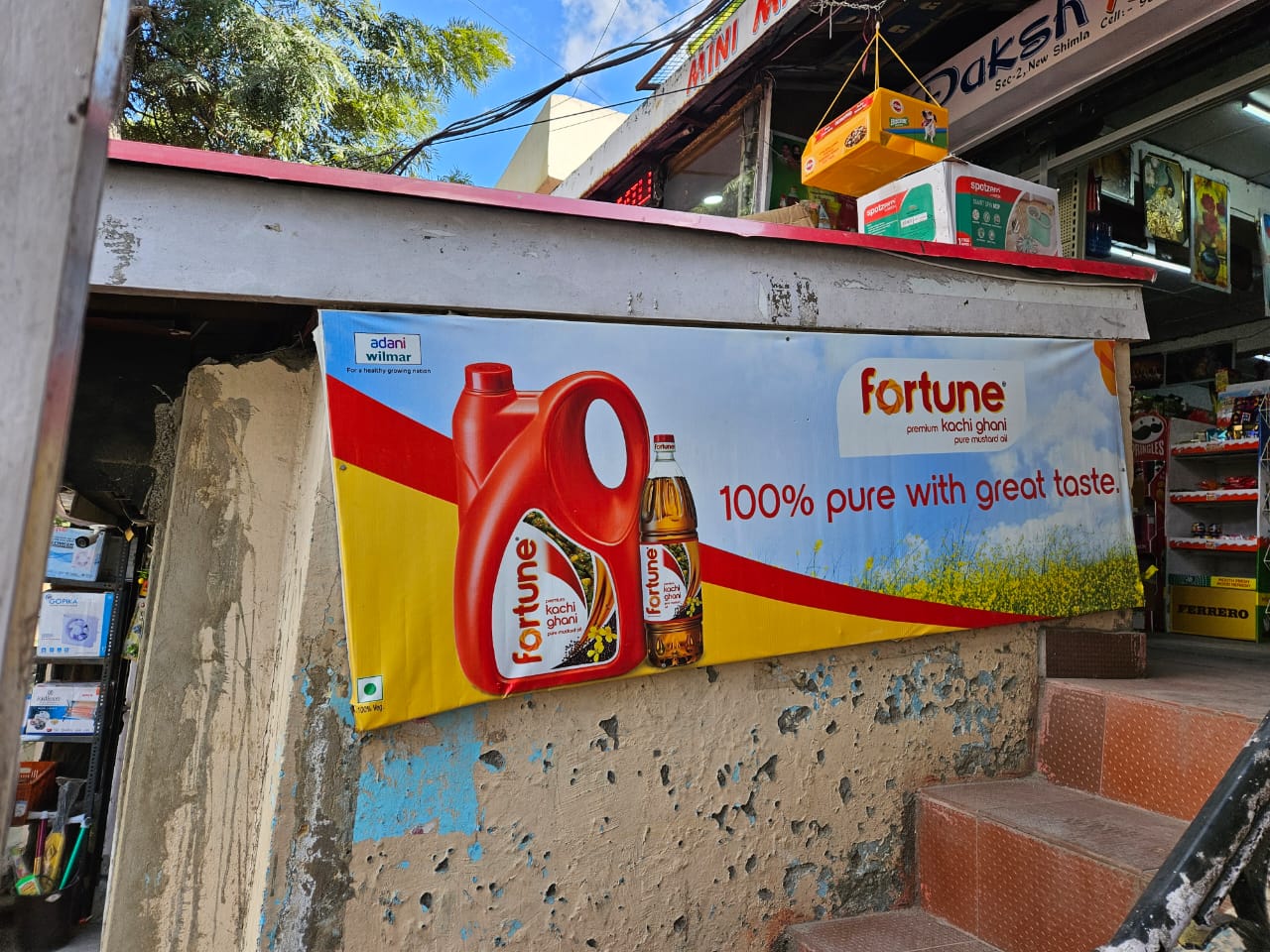

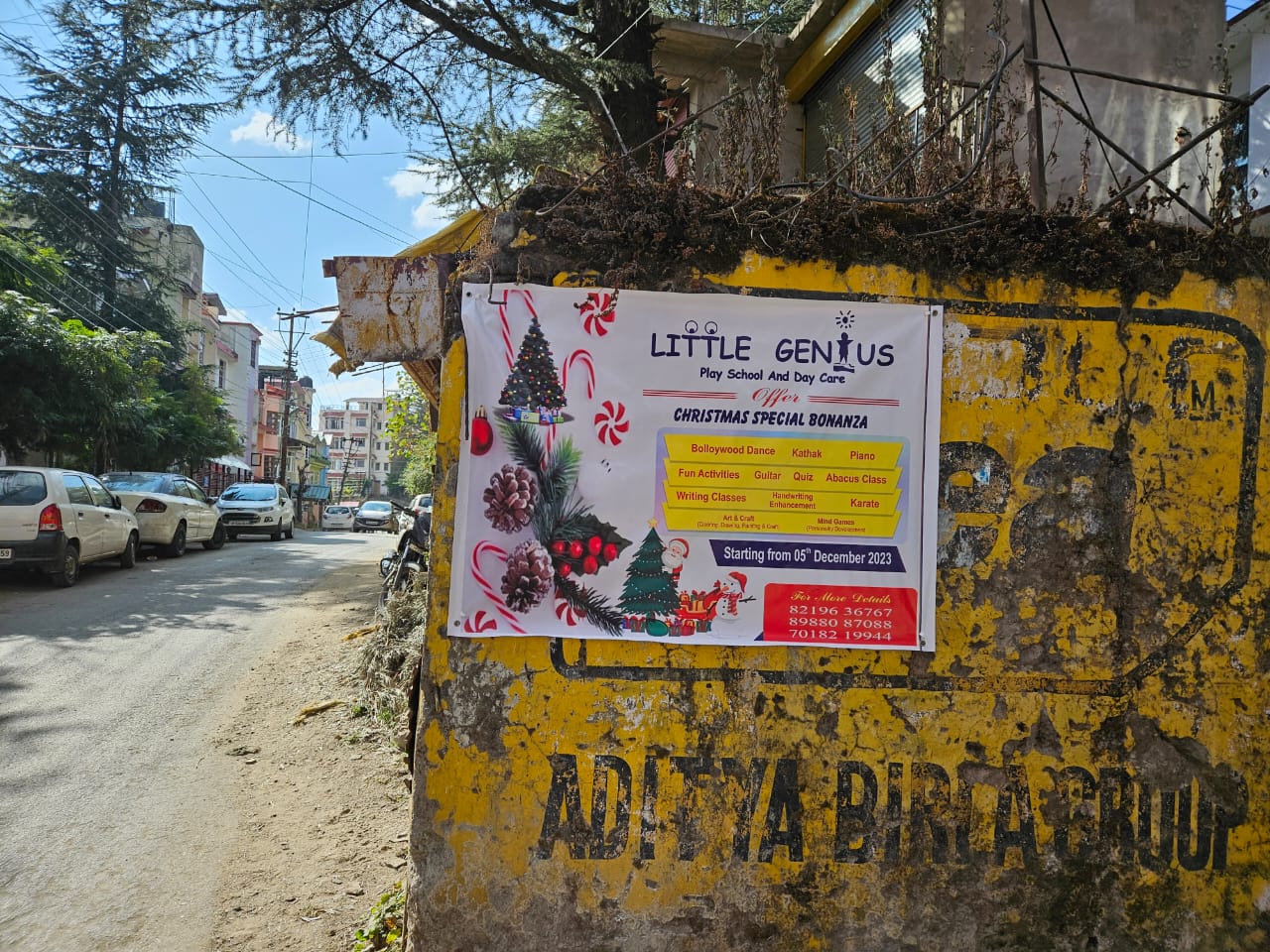
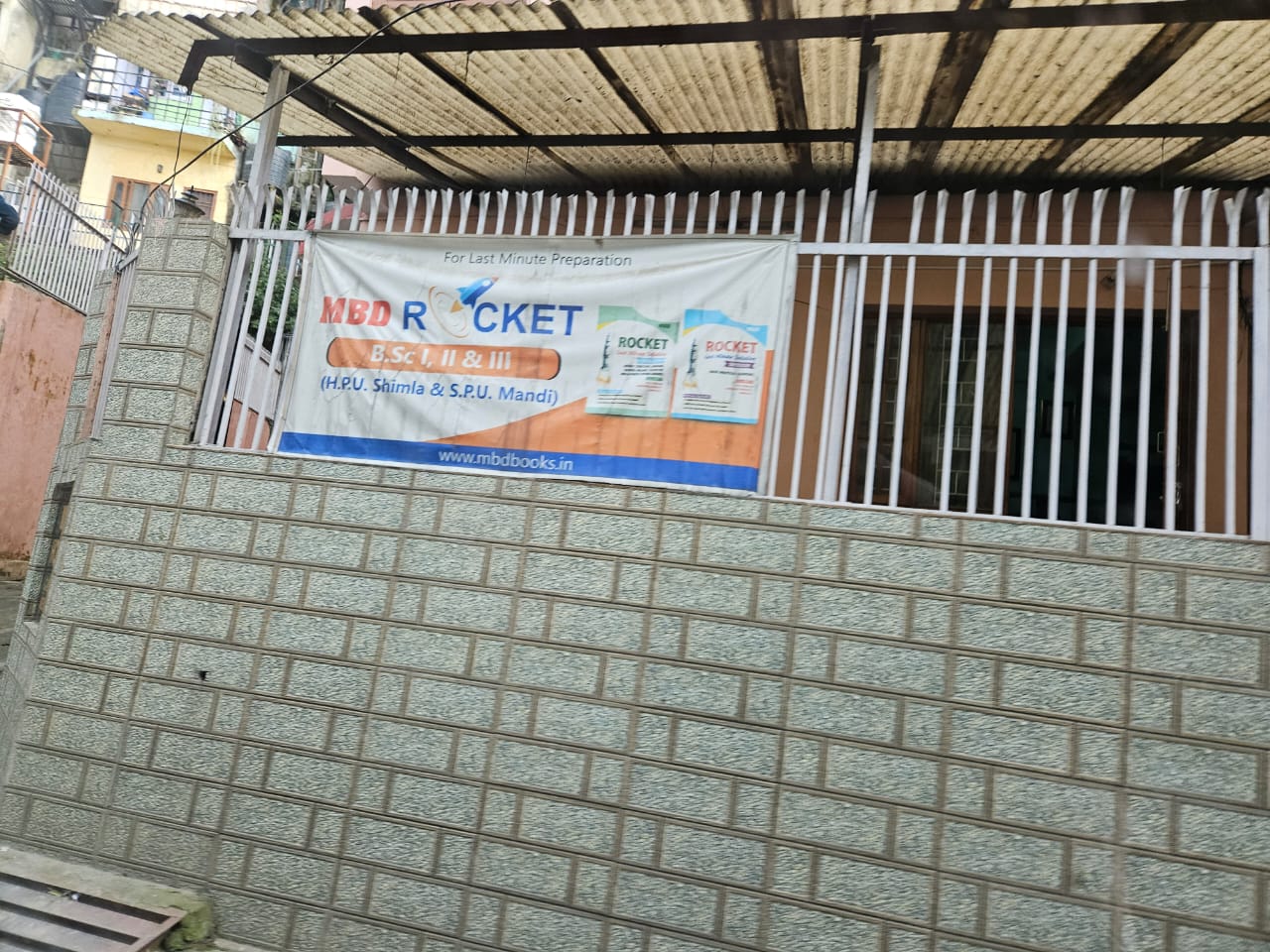

1. Removal of Unauthorized Advertising Boards:
One of the central demands put forth in the representation is the removal of unauthorized advertising boards, including Plastic Flexi boards, hoardings, arches, flags, buntings, and similar structures from public roads and streets. These banners, erected without proper authorization, not only deface public spaces but also violate various legal provisions, including Sections 268 and 278 of the Indian Penal Code, 1860, the Prevention of Damage to Public Property Act, 1984, Himachal Pradesh Open Places (Prevention of Disfigurement Act), 1985, Municipal Corporation Act, and Plastic Waste (Management and Handling) Rules. These laws mandate that local bodies must remove unauthorized hoardings and advertisement boards within their jurisdiction. However, lax enforcement has allowed the problem to persist.
2. Promoting Eco-Friendly Materials:
The representation also emphasizes the need to shift towards eco-friendly advertising materials in Shimla and the broader state. It suggests that directions be given to ensure that only environmentally sustainable materials are used for advertising purposes. Alternatives such as compostable plastics, recycled paper materials, cloth banners, lightweight textile fabrics, and natural-fiber-based sandwich boards have a significantly lower environmental impact. Encouraging the use of such materials aligns with the principles of sustainable and environmentally sound management practices.
3. Banning Plastic Flexi for Advertisements:
A major step proposed in the representation is the complete ban on the use of Plastic Flexi boards throughout the state. This would involve including Plastic Flexi boards in the list of banned Single Use Plastic items, as already initiated by the Government of Himachal Pradesh. Plastic Flexi banners, composed of non-biodegradable polyvinyl chloride (PVC), contribute to environmental pollution when disposed of improperly. The burning of PVC can release toxic chemicals, posing threats to ecosystems and human health. The ban aims to encourage the adoption of eco-friendly alternatives and combat plastic pollution in the state.
4. Protecting Trees and Public Property:
The representation requests that authorities make sure that no harm is done to trees that are used for advertising when approving hoardings and billboards for commercial use. It insists on prohibiting the affixing or display of hoardings or advertisements on trees using nails or any other means. Those who violate this condition should be held liable for penalties. Additionally, individuals or organizations responsible for placing advertisements on public roads should also bear the responsibility of removing them after their intended purpose is fulfilled.
5. Road Safety and Compliance:
Safety is a paramount concern. The representation calls for measures to ensure road safety by scientifically evaluating the placement of boards and arches, ensuring they do not obstruct drivers’ views. Unauthorized arches, display boards, hoardings, placards, and banners with poles or frames that encroach upon highways, public streets, and pedestrian pavements should be promptly removed. Any damage caused by the erection of frames, poles, and structures on pavements and roads should be repaired without delay.
6. Enforcement of Court Directions:
The representation underlines the importance of implementing directions given by the Division Bench of the Hon’ble High Court of Himachal Pradesh in CWP 2312 of 2017. These directions emphasize the prohibition of permanent or semi-permanent defacement on public places and places open to public view. It further calls upon Municipal Corporations, ULBs, and Panchayats to identify and remove unauthorized hoardings, banners, Plastic Flexi boards, temporary arches, posters, and similar structures.*
Conclusion
As the proposed representation by “Shimla Collective” continues to garner support from the residents of Shimla, it remains a powerful testament to the collective desire for change. The battle against the detrimental effects of “Single Use Plastic items” is a call to action for not only Shimla but for all of us to take responsibility for our environment, public spaces, and safety. The representation sets the stage for a cleaner, greener, and more aesthetically pleasing Shimla, and serves as an inspiring example for communities across the nation to follow suit.
By supporting stricter regulations and exploring eco-friendly advertising options, we can contribute to a greener and cleaner future for our cities. It is crucial that we continue to raise awareness about the adverse effects of flex banners and work towards solutions that prioritize the well-being of our environment and communities.
In conclusion, the time has come to reevaluate the use of flex banners and pave the way for a more environmentally conscious and visually appealing urban landscape. It’s a small step that can lead to significant positive changes for our cities and our planet.
Please refer to the link below to read about the issue of Defacement:

 LawUmbrella