Table 1: Outline of the Article
| Heading Level | Content |
|---|---|
| H1 | The Evolution of Public Interest Litigation in India |
| H2 | The Genesis: Mumbai Kamgar Sabha v. M/s Abdulbhai |
| H3 | The Role of Justice Krishna Iyer |
| H4 | The Contribution of Justice Bhagwati |
| H5 | Justice Bhagwati’s Perspective on PIL |
| H6 | My Experiences in the High Court |
| H7 | Landmark Judgments and Directions |
| H8 | Sanitation and Public Toilets |
| H9 | Rights of Nurses and Salary Issues |
| H10 | Discrimination Against Married Women |
| H11 | Environmental and Technological Interventions |
| H12 | Access to Justice and Compensation |
| H13 | Reforms, Rights, and Infrastructure |
| H14 | The Essence of Access to Justice |
| H15 | The Significance of Article 226 |
| H16 | Documentation of Cases of Social Importance being pursued by me in the Court |
Table 2: Article
The Evolution of Public Interest Litigation in India
Public Interest Litigation (PIL) has been a transformative tool in the Indian judiciary, ensuring that justice is not just a privilege of the few but a right of all. Let’s delve into its evolution and significance.
The Genesis: Mumbai Kamgar Sabha v. M/s Abdulbhai
In 1976, a landmark case, Mumbai Kamgar Sabha v. M/s Abdulbhai, marked the inception of PIL in India. This case laid the foundation for a new era in the Indian judiciary.
The Role of Justice Krishna Iyer
Justice Krishna Iyer, through this judgment, sowed the seeds of PIL. His vision was to make the judiciary more accessible and responsive to the common man, ensuring that justice wasn’t confined to the corridors of courts but reached the masses.
The Contribution of Justice Bhagwati
Following Justice Iyer’s footsteps, Justice Bhagwati played a pivotal role in shaping the concept of PIL. He believed in a collaborative approach, where the petitioner, the state, and the court worked together to uphold constitutional rights, especially for the vulnerable sections of society.
Justice Bhagwati once eloquently stated:
“Public interest litigation is essentially a cooperative or collaborative effort on the part of the petitioner, the State or public authority and the Court to secure observance of the constitutional or legal rights, benefits and privileges conferred upon the vulnerable sections of the community and to reach social justice to them. The State or public authority against whom public interest litigation is brought should be as much interested in ensuring basic human rights, constitutional as well as legal, to those who are in a socially and economically disadvantaged position, as the petitioner who brings the public interest litigation before the court. The State or public authority which is arrayed as a respondent in public interest litigation should, in fact, welcome it, as it would give it an opportunity to right a wrong or to redress an injustice done to the poor and weaker sections of the community whose welfare is and must be the prime concern of the State or the public authority.”
His words emphasized the importance of PIL in ensuring basic human rights and social justice.
The Essence of Access to Justice
Justice is not just about laws and judgments; it’s about accessibility. Without access to justice, our constitution remains a mere document.
The Constitution is redundant without the ‘access’ or without ‘the means’ of accessing justice. Once the constitution is triggered, then only fundamental rights can be realized. Public interest Litigation or Social Action Litigation is a tool that can be used to democratize the judicial process. The courts have to emphatically state that, essentially, justice does not only belong to the rich, corporations, and governments (who take up most of the litigation time in the courts). It primarily belongs to the poor. The poor can write a letter, get legal aid or get assistance from an amicus currie, who, on their behalf, will pray to the court about violations of their most basic rights,
It is said that Article 32 was the most beloved provision of the great B.R Ambedkar. He said that it is the ‘soul of the constitution’. When referring to Article 32, he meant ‘access to the courts’ in cases where fundamental rights are violated. Article 32, 226 and letter petitions are essentially the same with respect to the access they provide to the Justice system for the citizens whose fundamental rights stand violated. They are the heart and soul of the Constitution, whose primary purpose is the protection of these Rights.
When the State fails to protect the rights or fails to do its duties, it is the duty of the Superior Courts to step in and ensure that the law of the land is not sabotaged and the rights of the common man or our commitment to the Constitution is not jeopardized”.
My experience in the High Court of Himachal Pradesh
While practicing in the High Court, I got an opportunity to deal with issues of social importance and to make humble attempts at realizing the dreams of our Constitution. Some of the issues on which I worked and H.P High Court passed various directions/judgments/orders are mentioned below:
- Sanitation and Public Toilets: The judiciary recognized the fundamental ‘right of sanitation’, leading to a landmark order that mandated the establishment of public toilets along highways, emphasizing the importance of hygiene and public health.
- Rights of Nurses and Salary Discrepancies: In a significant move, the court directed the clearance of pending salaries for nurses, highlighting the importance of timely compensation for healthcare professionals.
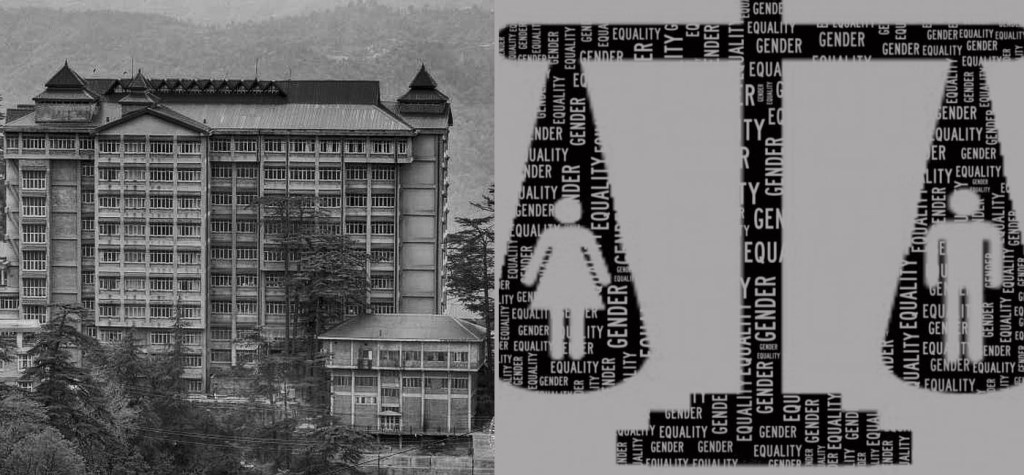
- Empowering Married Women: A groundbreaking judgment was passed that tackled workplace discrimination faced by married women, ensuring equal employment opportunities for all.
- Harnessing Technology for Environmental Conservation: The court issued directives to employ advanced technologies like RFID, drones, and satellites for tree conservation. Additionally, measures were taken to protect wetlands, with the establishment of a dedicated wetland authority. This authority played a pivotal role in securing funds from the central government for wetland conservation.
- Illegal Mining and River Conservation: The judiciary took a firm stance against illegal mining activities and unauthorized dam operations, ensuring the protection of our natural resources and river ecosystems.
- Compensation for Victims: The court emphasized the importance of providing timely compensation to road accident victims and families affected by acts of criminal violence, ensuring justice and support for the affected.
- Exploring Alternative Agricultural Ventures: The judiciary considered the potential of hemp and medical cannabis as alternative income sources for farmers, also viewing it as a strategy to counteract the illicit drug market.
- Police Reforms and Human Rights: Deliberations were made on police reforms, including the installation of surveillance cameras in prisons to monitor and prevent human rights violations. The Advocate General was directed to revisit the H.P Police Act, aligning it with constitutional values and the landmark judgment of Prakash Singh.
- Forest Department Reforms: The court addressed the challenges faced by forest guards and initiated reforms in the forest department, ensuring better working conditions and effective conservation strategies.
- Animal Rights and Conservation: Multiple judgments were passed addressing animal rights, emphasizing the importance of coexistence and the protection of our biodiversity.
- Infrastructure and Heritage Conservation: The judiciary provided directions for road construction, with a keen focus on monitoring national highway developments. Efforts were also made to protect UNESCO heritage sites, including initiatives to maintain the cleanliness of the Shimla-Kalka railway line.
- Waste Management and Medical Facilities: The court issued directives to address garbage disposal challenges in Himachal Pradesh, advocating for the establishment of Solid Waste Management Plants. Additionally, measures were taken to enhance the quality of medical facilities in hospitals, ensuring better healthcare for all.
Table 3:
Documentation and Reports on important social interest matters I am working on in the High Court of H.P
Right to toilets a fundamental right
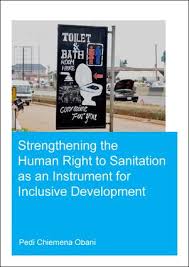
6.https://barandbench.com/wp-content/uploads/2017/06/CWPIL2000717190517.pdf
Hemp & medicinal cannabis PIL
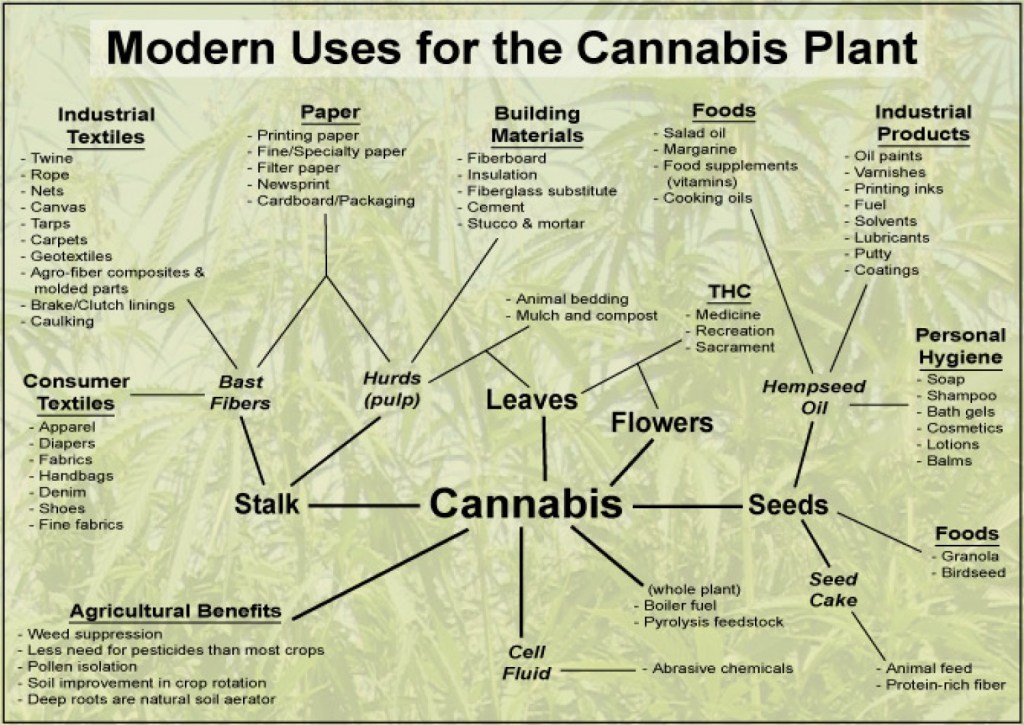
8.Petition in Himachal Pradesh High Court to legalise Cannabis cultivation for …
https://barandbench.com › himachal-prad…
Defacement of public property during elections
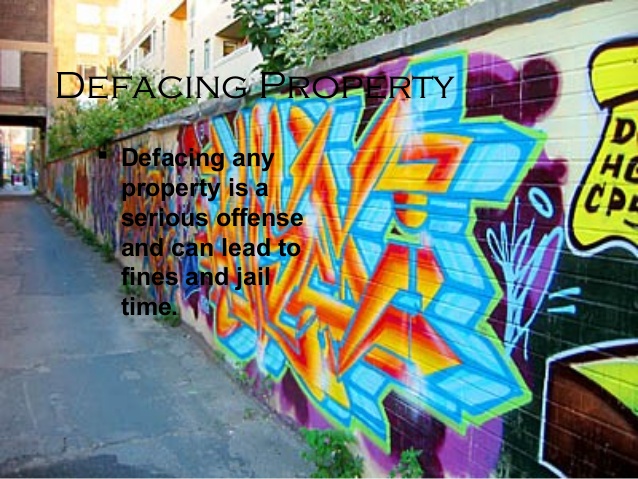
3. https://www.thestatesman.com/cities/hc-directs-implead-candidates-wall-writing-1502523735.html
6. http://kaumimarg.com/news/4961-implead-candidates-for-defacing-walls-himachal-hc.aspx
Using Technology For Protecting Forest and Preventing Illicit Felling Of Trees

7.https://www.thelivemirror.com/in-a-first-radio-tags-for-shimla-trees-to-curb-illegal-felling/
8.http://goodtechgo.com/index.php/2017/10/28/court-orders-rfid-tags-to-prevent-tree-felling/
Illegal constructions & Environmental damage in Dharamshala
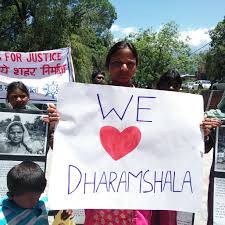
Removing Discrimination against women
3.https://indiankanoon.org/doc/96562316/
5.https://indiankanoon.org/doc/96562316/
8.https://www.pressreader.com/india/hindustan-times-jalandhar/20180818/281788514905166
9.http://www.himachalpr.gov.in/ImageGallery/News_Clips/5512.pdf?wmode=transparent
Animal Rights- Providing shelter to ponies

1. https://www.livelaw.in/acting-letter-petition-himachal-hc-provides-shelter-ponies-left-rain-snow/
4. http://www.finalstand.org/j3/index.php/en/?filter_tag%5B0%5D=&start=27
Animal rights – stopping bull fights
1. https://www.casemine.com/judgement/in/5ab284e04a932676733d498f
2. https://www.tribuneindia.com/news/himachal/notice-to-organisers-on-bull-fight/506102.html
4. https://www.tribuneindia.com/news/himachal/hc-seeks-state-s-reply-on-bull-fight/470223.html
6. https://www.casemine.com/judgement/in/5ab284e04a932676733d498f
7. https://thehimachalnews.com/fair-committee-soup-bull-fight-mashobra/
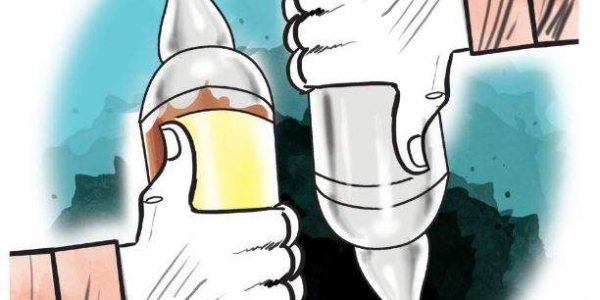
PIL on regulating Liquor Vends
2. https://www.casemine.com/judgement/in/5ab27e174a932676733d48e4
3. https://www.tribuneindia.com/news/himachal/close-liquor-vend-near-school-hc/491976.html
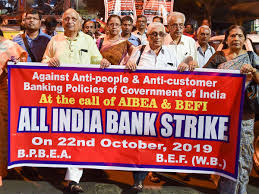
PIL on Illegal strike by banks
FAQs
- What is Public Interest Litigation (PIL)?
- PIL is a legal action taken in a court of law for the enforcement of public interest or general interest in which the public or a class of the community has a pecuniary interest or some interest by which their legal rights or liabilities are affected.
- Who initiated the concept of PIL in India?
- The concept of PIL was initiated by Justice Krishna Iyer and further developed by Justice Bhagwati.
- What was the significance of the Mumbai Kamgar Sabha v. M/s Abdulbhai case?
- This case marked the beginning of PIL in India, setting a precedent for future cases.
- Why is Article 32 referred to as the ‘soul of the constitution’?
- Dr. B.R Ambedkar believed that Article 32 was the very essence of the Constitution as it provided a means for citizens to access the courts when their fundamental rights were violated.
- How has PIL impacted the Indian judiciary?
- PIL has democratized the judicial process, making it more accessible to the common man and ensuring that justice reaches the masses.

 LawUmbrella